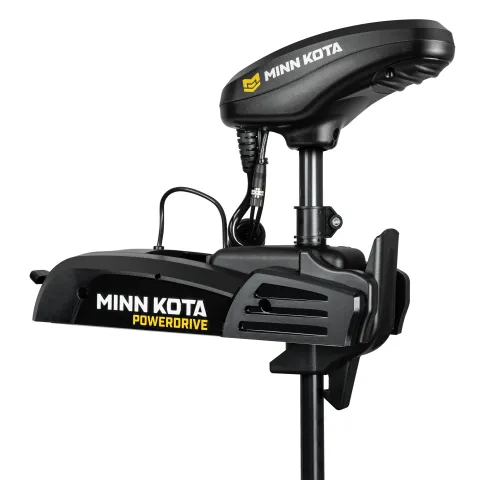
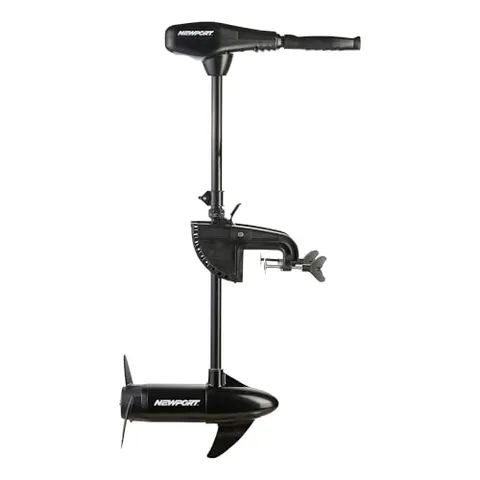
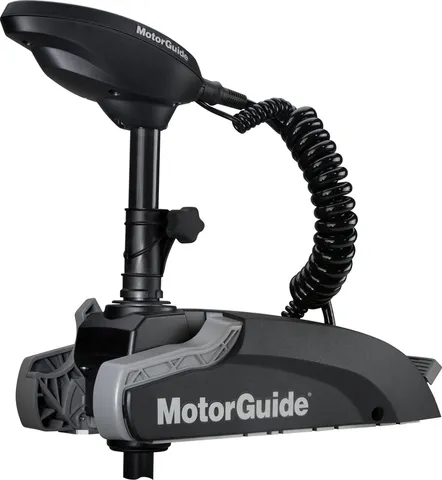
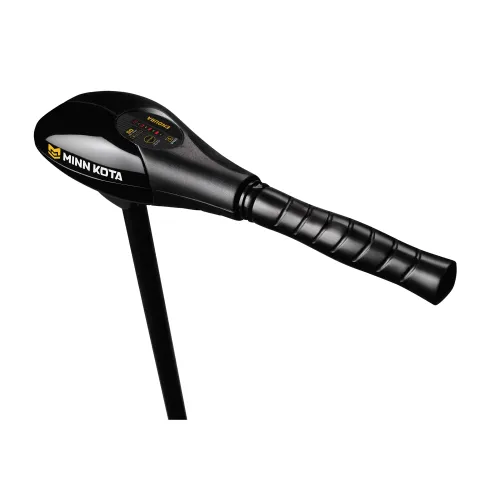
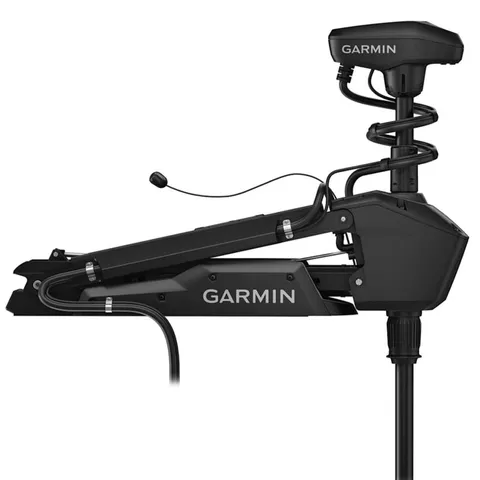
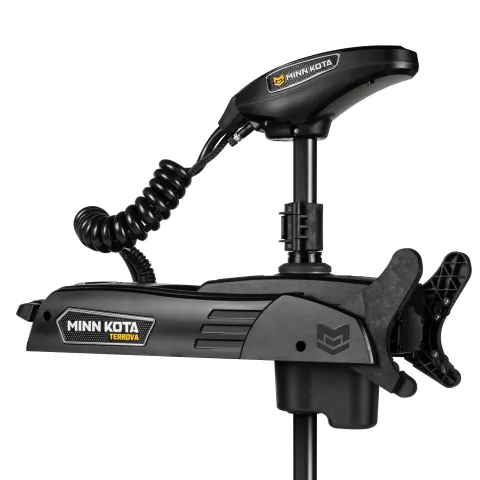
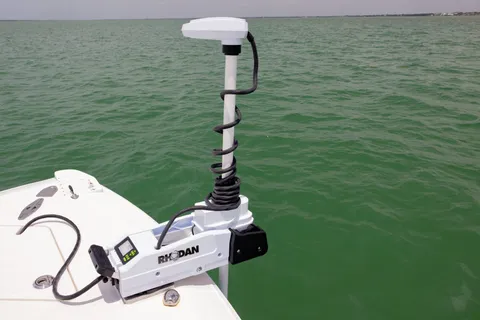
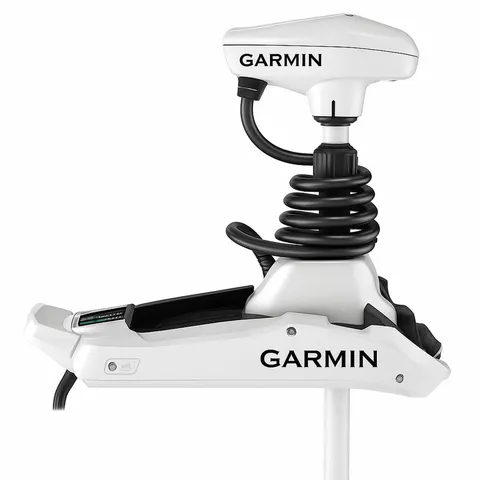
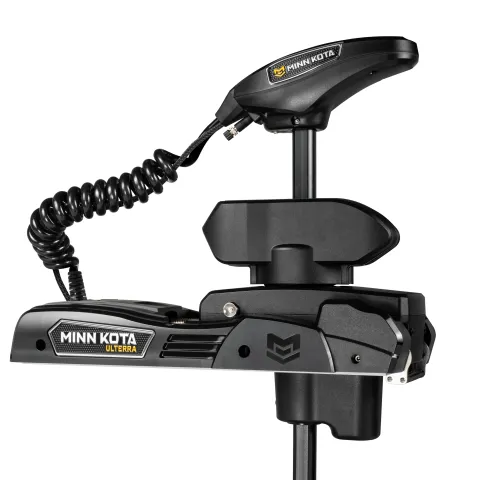
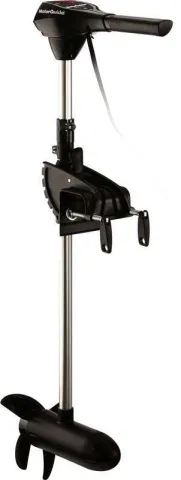
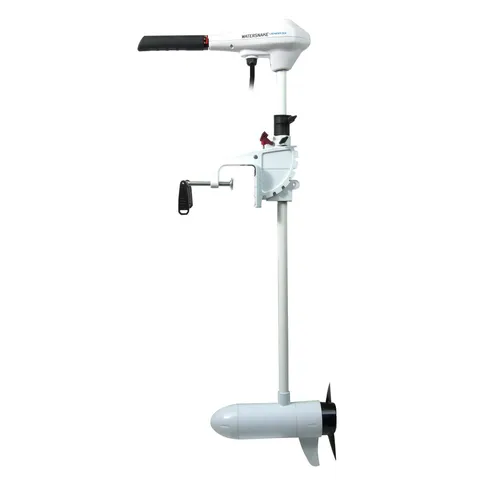
Choosing a trolling motor in 2026 is less about raw thrust than it used to be and more about how much technology you want bolted to your bow. At the affordable end, a trolling motor is still a simple thing: a sealed electric motor on a shaft, a hand tiller or foot pedal, and a deep-cycle battery. At the high end it has become a software platform: GPS anchoring that holds your boat over a spot in wind and current, wireless integration with your chartplotter, brushless motors that run whisper-quiet, and route-following autopilot. For a recreational boater on a jon boat, pontoon, dinghy, or small bay boat, the trick is buying the capability you'll actually use without paying for a tournament angler's toolkit you won't.
The single most important sizing rule cuts across every price tier: budget roughly 2 pounds of thrust for every 100 pounds of fully loaded boat weight, and size up if you fish wind or current. That, plus voltage (12V for most small craft, 24V/36V for heavier rigs), and mount type (transom for small tiller boats, bow-mount for anything you want to steer hands-free) determines 90% of your decision. Shaft length matters too, too short and the prop ventilates in chop, cavitating uselessly at the surface.
This guide spans the full market so you can see where the value lines are. The budget tier (roughly $90–$350) gets you a dependable, no-GPS workhorse that's perfect for a small boat or as a backup. The mid tier ($700–$1,600) is where GPS spot-lock anchoring becomes affordable, the single biggest quality-of-life upgrade in trolling. The premium tier ($2,500–$6,500) buys brushless quiet, auto stow/deploy, and deep electronics integration that mainly pays off for serious anglers and bigger boats.