Marinas · Hawaii
Marinas in Hawaii
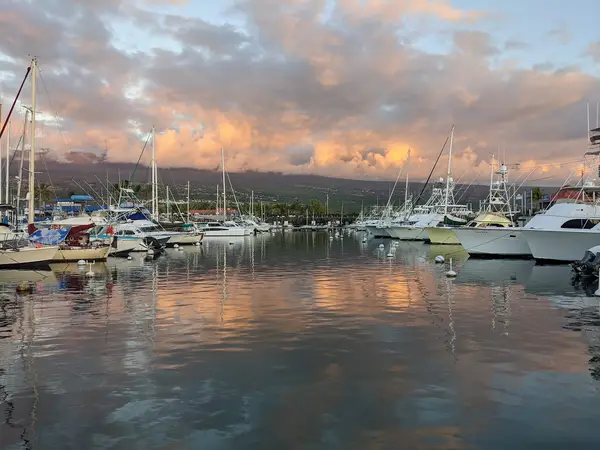
Cruise 9 marinas across Hawaii. Maps, hours, contact info, photos, and verified operator profiles, all in one place.
Volcanic peaks rising 13,000 feet from a tropical Pacific.
Updated
About Hawaii
Best time to go
When to cruise in Hawaii
Year-round. Winter brings the biggest North Pacific swells to the north shores.
- March–May and October–November: warm, calm, comfortable
- Summer: boat early to beat afternoon thunderstorms
- June–November: hurricane season, so watch the tropics
9 on the map
Tap a pin to open its profile.
Quick facts
- Boat launches mapped
- 28
- Rivers mapped
- 3
- Marinas listed
- 9
- Best season
- Year-round
At a glance
Marinas in Hawaii at a glance
All 9 marinas listed in Hawaii. Ratings and review counts are from Google.
| Marina | City | Rating |
|---|---|---|
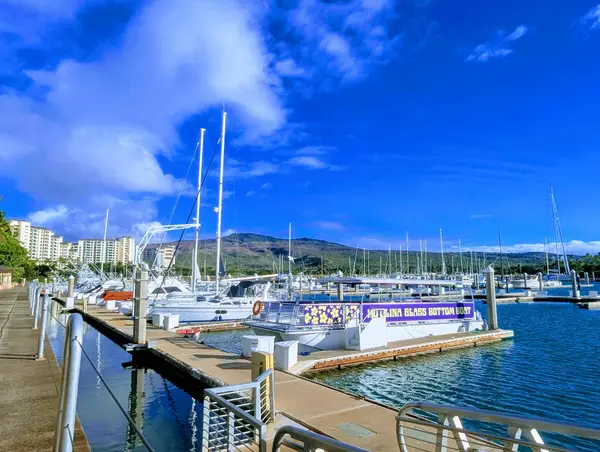
| Hickam Harbor Marina | Honolulu | 4.786 Google reviews |
| Honokōhau Marina | Kailua-Kona | 4.6149 Google reviews |
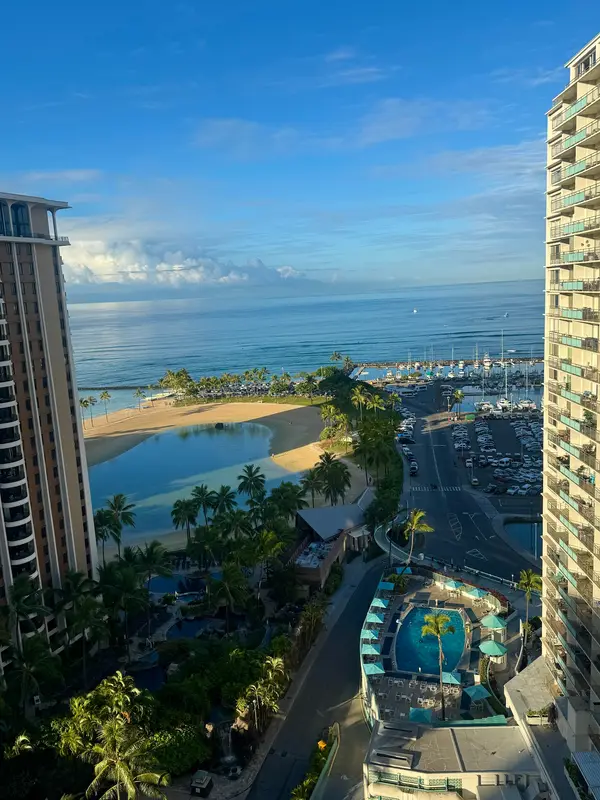
| Ilikai Marina Condos | Honolulu | 4.3537 Google reviews |
| Ko Olina Marina | Kapolei | 4.6427 Google reviews |
| Koko Marina Center | Honolulu | 4.32,806 Google reviews |
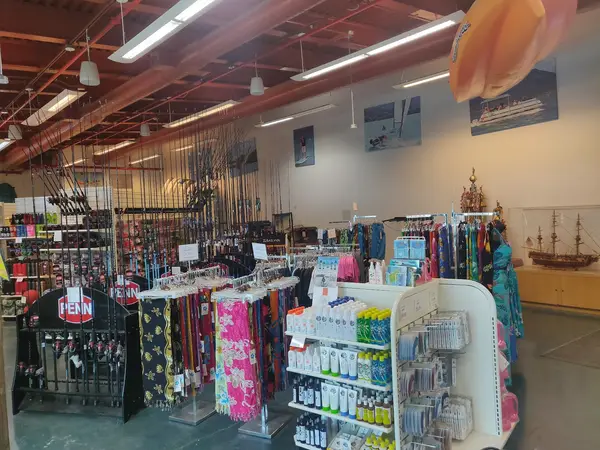
| Marina & Outdoor Recreation & Equipment Center | Kailua | 4.6259 Google reviews |
| Marina Hawaii Vacations | Honolulu | 4.878 Google reviews |
| MCBH Marina Pier | Kailua | 4.453 Google reviews |
| Rainbow Bay Marina | Honolulu | 4.384 Google reviews |
All listings
9 marinas
across Hawaii
Plan your trip
Plan your trip to Hawaii
Ocean Conditions and Trade Winds
Hawaii's boating season is year-round, but ocean conditions vary. Consistent trade winds typically blow from the northeast, creating choppier conditions on windward sides and calmer waters on leeward coasts. Large winter swells primarily affect northern shores, while summer brings generally calmer seas across the archipelago. Always monitor marine forecasts.
Slip and Transient Dockage Availability
Marinas in Hawaii, especially on Oahu and Maui, often have limited transient slip availability, particularly during peak seasons. Advance reservations are highly recommended for any visiting vessel. Some smaller, more remote harbors may offer limited amenities and require self-sufficiency.
Fuel and Pump-Out Access
Fuel and pump-out facilities are available at major marinas such as Ala Wai, Ko Olina, Ma'alaea, and Honokohau. However, options become significantly scarcer in remote areas or on less-developed islands. Plan fuel stops and waste disposal carefully when planning extended cruises.
Marine Sanctuary Regulations
Hawaii is home to several protected marine areas, including the Hawaiian Islands Humpback Whale National Marine Sanctuary. Special regulations apply to vessel operation, anchoring, and interactions with marine life within these zones. Familiarize yourself with these rules before entering protected waters.
Freshwater Resources
Freshwater is a precious resource in Hawaii. While available at most marinas, it should be conserved. Visiting boaters should ensure their vessel's water tanks are adequate for their intended trip duration, especially when planning to visit remote anchorages.
Confirm current requirements with the state agency before your trip. Rules and fees change every season.
Boater Education Requirement
Any person operating a power-driven vessel of more than 10 horsepower in Hawaii's waters must possess a valid Hawaii Boating Safety Education Card, the requirement applies to all operators regardless of age, with no birth-year exemption. Operators of rental vessels may have different requirements; verify with the rental agency. Non-residents with an equivalent certification from their home state may be exempt.
Hawaii DLNR DOBORHawaii Recreational Fishing License
Hawaii residents need no recreational license to fish in the ocean, but non-residents age 15 and older must hold a Nonresident Recreational Marine Fishing License (in effect since 2024) to fish saltwater recreationally. A separate Freshwater Game Fishing License is required to take introduced freshwater game fish. Licenses are available online or from authorized agents.
Hawaii DLNR DARMarine Mammal Protection Act
All boaters must adhere to federal and state regulations protecting marine mammals. This includes maintaining safe distances from whales, dolphins, and monk seals, and avoiding harassment. Federal approach rules apply year-round throughout Hawaiian waters: no vessel may approach within 100 yards of a humpback whale by any means, and vessels must operate at a slow, safe speed when near whales.
Anchoring Restrictions
Anchoring is prohibited in many coral reef areas and within designated marine protected areas to prevent damage to sensitive ecosystems. Use established moorings where available, or anchor in sand channels away from coral. Always check local charts and regulations for specific anchoring guidelines.
- 01
1. Research Your Destination and Vessel Type
Pick your island first, then decide how you'll get on the water: crewed charter, bareboat, or your own vessel. Dig into the specific marinas, anchorages, and local conditions for that stretch of coast, the islands differ more than they look on a map.
- 02
2. Secure Moorings or Charter Bookings
Slips are scarce. Book transient dockage or charter vessels well ahead, especially in peak season, and confirm the details: amenities, deposits, what's actually included.
- 03
3. Obtain Necessary Licenses and Permits
Carry a valid Hawaii Boating Safety Education Card if the rule applies to you, and a recreational fishing license if you plan to fish. Read up on marine sanctuary regulations and any permits your route requires before you leave the dock.
- 04
4. Study Charts and Local Conditions
Work through the charts for your cruising area: depths, hazards, protected zones. Then learn how Hawaii actually behaves: trade wind patterns, inter-island currents, and the swell forecast that decides whether a channel crossing is pleasant or punishing.
- 05
5. Prepare for Ocean Safety and Self-Sufficiency
This is open-ocean boating. Your vessel needs to be well-maintained, fully provisioned, and equipped for communication, navigation, and emergencies, help can be a long way off, and self-sufficiency is the price of admission.
01How many marinas are listed in Hawaii?
02What is the best island for recreational boating in Hawaii?
03Are bareboat charters readily available in Hawaii?
04What are the common regulations for fishing from a boat?
05Can I navigate my boat between the Hawaiian Islands?
06What are the rules for interacting with marine wildlife?
07Is it safe to anchor anywhere in Hawaii?
Free tools
Your free outdoor toolkit

Everything Map
Listings, trails, spots, clubs and public land on a single full-screen map. Switch layers on and off, then tap any point for the details.
Open Everything MapRiver Explorer
Explore named rivers from the USGS hydrography dataset. Filter by water type or whitewater class.
Open River ExplorerBoat Launches
Find public boat ramps and hand-launches on a map, with the access details that matter.
Open Boat LaunchesDaily Cruise
Every day picks a real place from the map and turns it into a quick 3D time trial. Real geometry, real conditions, same course for everyone.
Open Daily CruiseRoute Planner
Drop stops on a map and watch distance and drive time add up. Export a GPX or share the link.
Open Route PlannerBoat Clubs
Browse local clubs with meeting info and how to join, or start your own for free.
Open Boat Clubs