Marinas · Connecticut
Marinas in Connecticut
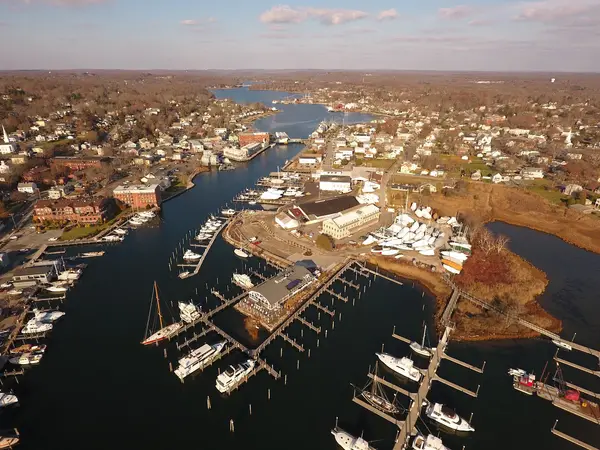
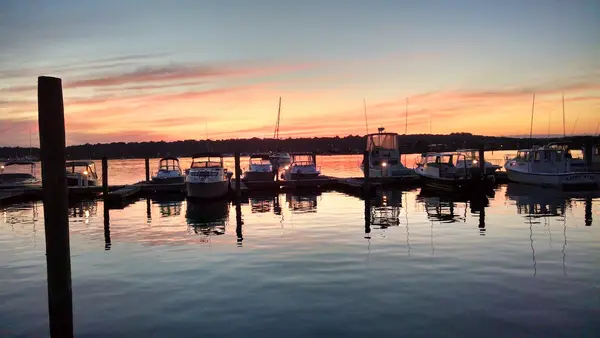
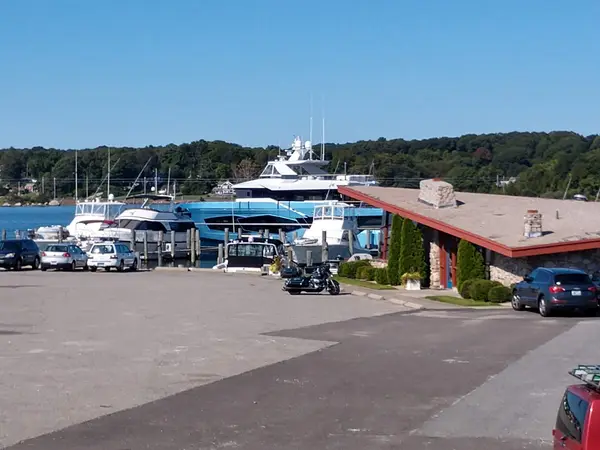
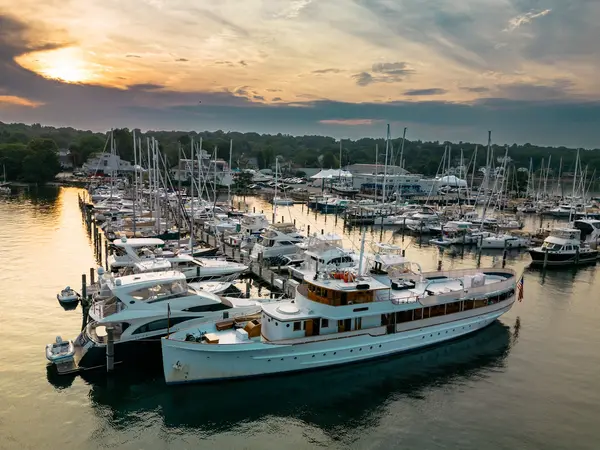
Cruise 23 marinas across Connecticut. Maps, hours, contact info, photos, and verified operator profiles, all in one place.
Long Island Sound coastline plus Litchfield Hills hardwoods.
About Connecticut
Best time to go
When to cruise in Connecticut
May through October. Peak fall color late October.
- June–September: the main boating season
- September: often the best weather of the year
- Watch for fast-moving summer thunderstorms
23 on the map
Tap a pin to open its profile.
Quick facts
- Boat launches mapped
- 82
- Rivers mapped
- 54
- Marinas listed
- 23
- Best season
- May through October
All listings
23 marinas
across Connecticut
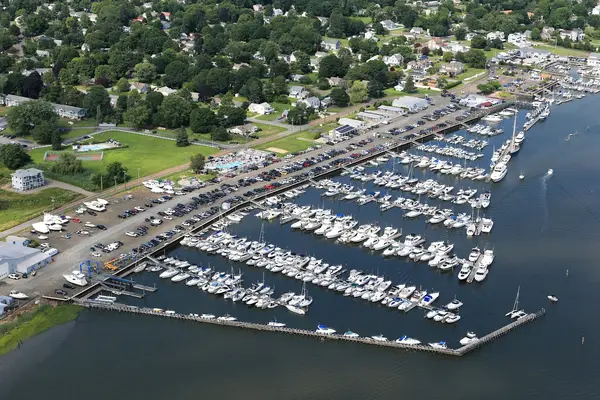
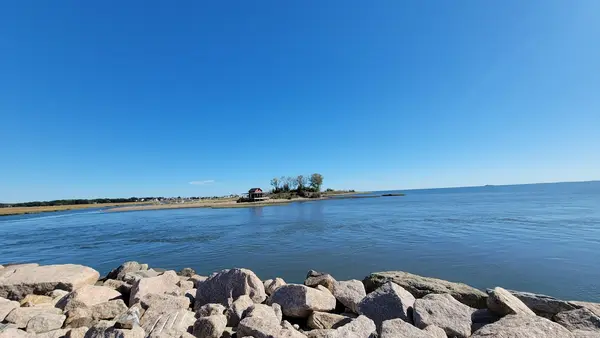
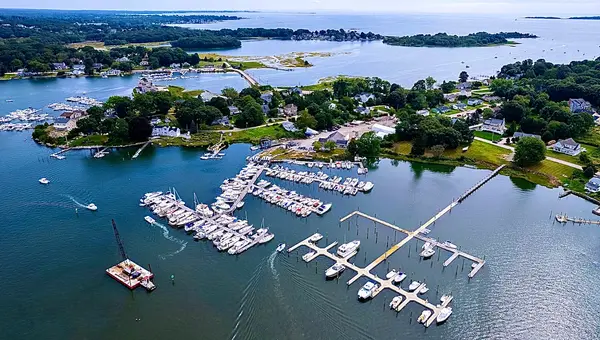
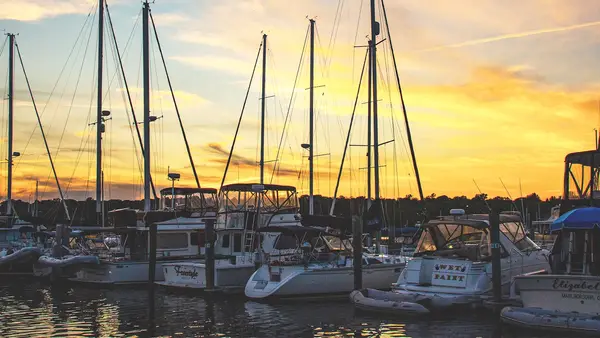
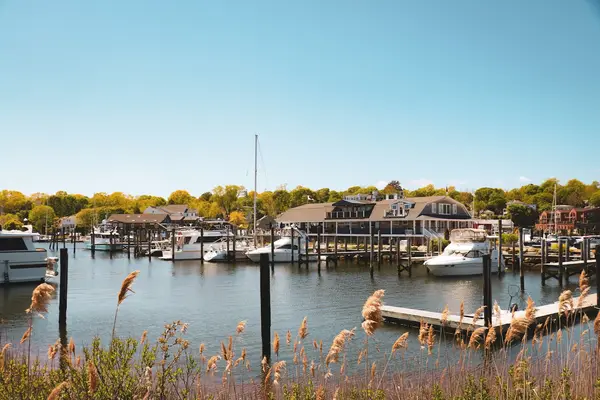
Watch it live
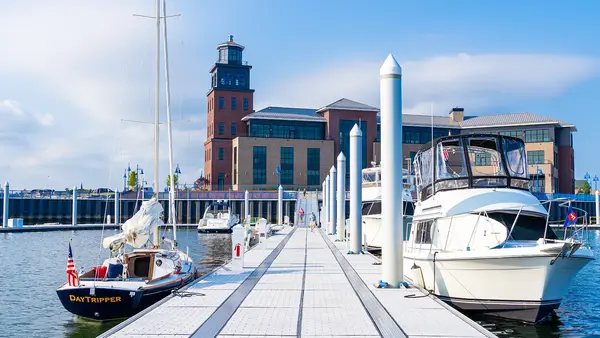
Live webcams in Connecticut
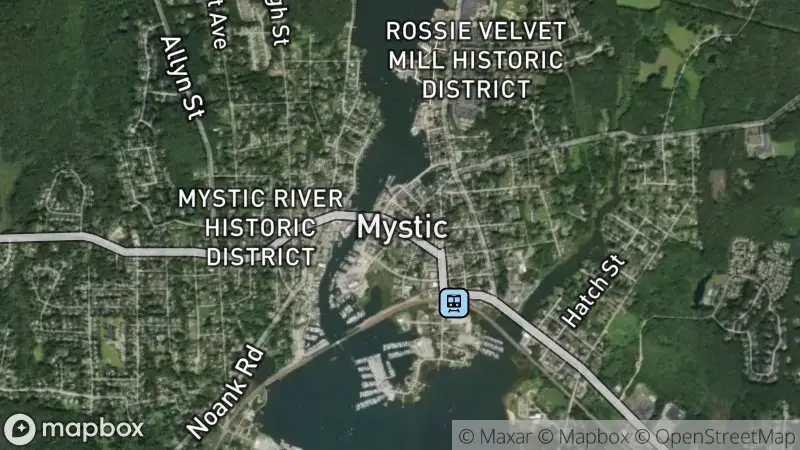 Location
Mystic River Drawbridge Cam
via Mystic Knotwork
Watch livePlan your trip
Plan your trip to Connecticut
Signature Waters
Connecticut's primary recreational boating waters are Long Island Sound and the Connecticut River. The Sound is tidal with varying currents, while the river offers a calmer, more protected environment. Smaller inland lakes also permit boating.
Boating Season
The primary boating season typically runs from May through October. Marinas generally open for full service in late April or early May and begin closing down in late October or early November, weather permitting.
Slip and Transient Dockage
Reservations for transient dockage are highly recommended, especially during peak summer weekends and holidays. Popular marinas along the coast and river can fill quickly. Check with individual marinas for availability and booking procedures.
Fuel and Pump-Out Access
Fuel docks (gasoline and diesel) and pump-out facilities are widely available at most full-service marinas along the Connecticut coastline and the navigable sections of the Connecticut River. Some smaller marinas may have limited hours or services.
Weather and Wind Considerations
Boaters should monitor marine weather forecasts closely. Long Island Sound can experience significant chop with strong winds, and summer thunderstorms can develop rapidly. Fog is also common, particularly in spring and fall. Hurricanes are a rare but serious threat in late summer/early fall.
Confirm current requirements with the state agency before your trip. Rules and fees change every season.
Boater Education Card
Anyone operating a vessel powered by a motor of any size, or a sailboat 19 1/2 feet or longer, must obtain a Connecticut Safe Boating Certificate or Certificate of Personal Watercraft Operation: Connecticut ties the requirement to the vessel, not to a birth year, so operators of all ages are covered (a youth under 16 without a certificate may operate a non-PWC vessel only under the direct supervision of a certified adult 18 or older). Verification with the state agency is recommended for specific exemptions or reciprocity.
CT DEEPVessel Registration
All motorized vessels, and all sailboats 19 1/2 feet or longer in length, operating on Connecticut waters must be registered with the Connecticut Department of Motor Vehicles (DMV), which processes vessel registration and numbering. Registration must be renewed annually. Non-residents must register their vessel in Connecticut if it is used on state waters for more than 60 days in a calendar year.
CT DEEPMarine Sanitation Devices (MSD)
All vessels with an installed toilet must have an operable Type I, II, or III Marine Sanitation Device (MSD). Discharge of sewage, treated or untreated, is prohibited in Connecticut waters, including Long Island Sound, which is a designated No Discharge Zone. Vessels must utilize pump-out facilities.
CT DEEPMinimum Age to Operate
No person under 12 years of age may operate a motorboat with an engine larger than 10 horsepower unless accompanied on board by an adult at least 18 years old who holds a Safe Boating Certificate. Individuals aged 12 to 15 may operate such a vessel on their own if they hold a Safe Boating Certificate, or without one only while under the direct supervision of an adult at least 18 years old who has held a certificate for at least two years. Personal Watercraft (PWC) operators must be at least 16 years old and hold a Certificate of Personal Watercraft Operation.
- 01
Verify Boater Education Requirements
Before you launch, check whether you, or whoever's driving, needs a Connecticut Safe Boating Certificate or Certificate of Personal Watercraft Operation. Most operators born after a certain date need one, as do certain vessel types.
- 02
Choose Your Boating Region and Marina
Open Sound or quiet river? Settle that first, then compare marinas in your chosen stretch on amenities, services, and how close they sit to what you want to see. Ask about transient slips while you're at it.
- 03
Book Dockage or Charter in Advance
Summer weekends fill fast. Lock in your transient slip early, and if you're chartering, book the boat and captain as far ahead as you can to get the dates you want.
- 04
Review Local Charts and Weather Forecasts
Study the charts for your cruising ground (depths, channels, hazards), and pull the latest marine forecast and tide tables before you cast off. Keep checking underway; the Sound doesn't announce its mood changes.
- 05
Prepare Your Vessel and Supplies
Run through the boat: engine sound, safety gear complete, fuel and provisions aboard, spare parts for the obvious failures. If you have a marine head, confirm where you'll pump out along the way.
01How many marinas are listed in Connecticut?
02What are the best times of year for recreational boating in Connecticut?
03Are there opportunities for bareboat charters in Connecticut?
04What kind of fishing can I do while boating in Connecticut?
05Are public launch ramps readily available for trailered boats?
06What are the rules regarding anchoring in Connecticut waters?
07Can I boat on Connecticut's inland lakes and rivers?
Free tools
Your free outdoor toolkit

Everything Map
Listings, trails, spots, clubs and public land on a single full-screen map. Switch layers on and off, then tap any point for the details.
Open Everything MapRiver Explorer
Explore named rivers from the USGS hydrography dataset. Filter by water type or whitewater class.
Open River ExplorerBoat Launches
Find public boat ramps and hand-launches on a map, with the access details that matter.
Open Boat LaunchesRoute Planner
Drop stops on a map and watch distance and drive time add up. Export a GPX or share the link.
Open Route PlannerBoat Clubs
Browse local clubs with meeting info and how to join, or start your own for free.
Open Boat ClubsPhoto ID
Point your camera at whatever you found and get a structured identification. No signup.
Open Photo ID

Keep exploring