Marinas · Montana
Marinas in Montana
Cruise 12 marinas across Montana. Maps, hours, contact info, photos, and verified operator profiles, all in one place.
Big Sky country. Glacier, the Bob, and the Yellowstone headwaters.
About Montana
Best time to go
When to cruise in Montana
June through October.
- June–September: the reliable warm-water season
- Spring water is dangerously cold, so wear a life jacket
- Big lakes build steep waves fast, so watch the wind
12 on the map
Tap a pin to open its profile.
Quick facts
- Boat launches mapped
- 83
- Rivers mapped
- 171
- Marinas listed
- 12
- Best season
- June through October
All listings
12 marinas
across Montana



Plan your trip
Plan your trip to Montana
Signature Waters
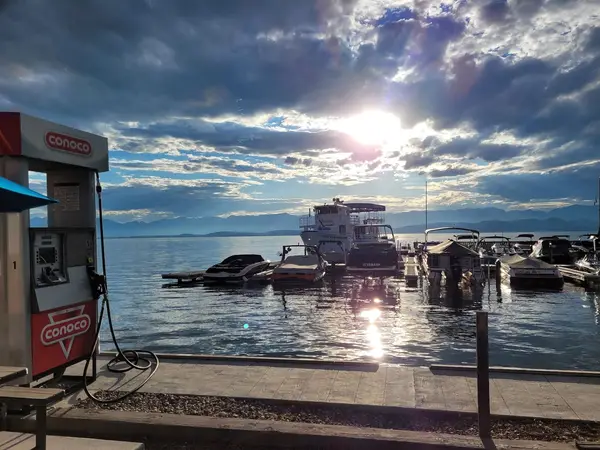
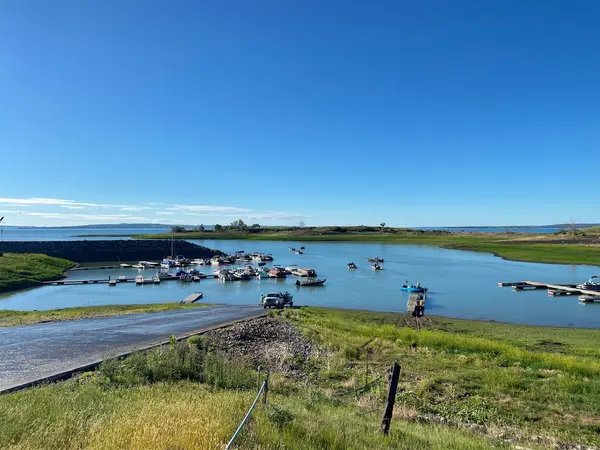
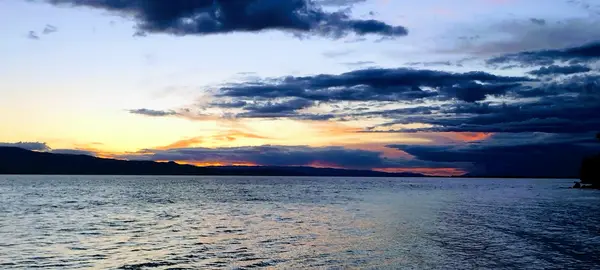
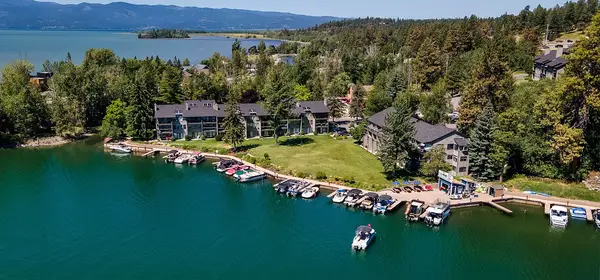
Montana's premier boating destinations include Flathead Lake, Canyon Ferry Lake, and Fort Peck Lake, each offering distinct experiences from mountain-rimmed sailing to vast reservoir fishing.
Boating Season
The primary recreational boating season typically runs from late May through early October, with peak activity in July and August. Conditions outside this window can be unpredictable.
Slip & Transient Dockage
Marinas on major lakes offer transient slips and dockage. Reservations are highly recommended, especially during summer weekends and holidays, as availability can be limited.
Fuel & Pump-Out Access
Most full-service marinas provide fuel docks (gasoline and sometimes diesel) and pump-out stations. Plan routes to ensure access, particularly on larger, more remote bodies of water like Fort Peck.
Weather & Wind Considerations
Mountain weather can change rapidly; be prepared for sudden storms, strong winds, and temperature drops. Always check local forecasts before departing.
Invasive Species Prevention
Montana has strict regulations regarding aquatic invasive species. All boats entering the state or moving between bodies of water must be inspected and decontaminated.
Confirm current requirements with the state agency before your trip. Rules and fees change every season.
Boater Education Card
Montana requires only youths ages 13 and 14 to hold a Montana Motorboat Operator's Safety Certificate to operate a motorboat or personal watercraft powered by more than 10 horsepower, and even they are exempt when accompanied on board by someone 18 or older. There is no boater-education requirement for operators 15 and older.
Boat Registration
All motorized vessels and sailboats 12 feet long and longer operating on Montana waters must be registered with the state. Registration decals must be displayed prominently.
Aquatic Invasive Species (AIS) Inspection
All watercraft entering Montana or moving between bodies of water within the state must undergo an AIS inspection. Non-resident boats must purchase an AIS prevention pass.
Life Jackets (PFDs)
All vessels must carry a U.S. Coast Guard-approved wearable personal flotation device (PFD) for each person on board. Children under 12 years of age must wear a PFD whenever a vessel less than 26 feet long is underway.
- 01
Research Your Destination
Match the water to the trip: Flathead for sailing under the mountains, Canyon Ferry for watersports, Fort Peck for fishing on water that never seems to end.
- 02
Verify Boater Education & Registration
Make sure every operator meets Montana's boater education requirements, the vessel's registration is current, and the boat is clean and ready for its AIS inspection.
- 03
Book Marina Services
Lock in transient slips, moorings, or charters early, summer demand outstrips supply. Confirm fuel, pump-out, and launch availability while you're on the phone.
- 04
Prepare for Weather & AIS
Pack layers for mountain weather that can turn in an hour, and build the mandatory Aquatic Invasive Species inspection into your route before you launch.
- 05
Review Local Regulations
Every waterway has its own rules: speed limits, no-wake zones, fishing license requirements. Read up on yours before the ranger does it for you.
01How many marinas are listed in Montana?
02What is the best time of year to go boating in Montana?
03Are there any specific requirements for out-of-state boaters?
04Where can I find marinas with transient slips and fuel?
05Can I charter a boat in Montana?
06What kind of weather should I expect while boating in Montana?
07Are there any specific fishing regulations I should be aware of?
Free tools
Your free outdoor toolkit

Everything Map
Listings, trails, spots, clubs and public land on a single full-screen map. Switch layers on and off, then tap any point for the details.
Open Everything MapRiver Explorer
Explore named rivers from the USGS hydrography dataset. Filter by water type or whitewater class.
Open River ExplorerBoat Launches
Find public boat ramps and hand-launches on a map, with the access details that matter.
Open Boat LaunchesRoute Planner
Drop stops on a map and watch distance and drive time add up. Export a GPX or share the link.
Open Route PlannerBoat Clubs
Browse local clubs with meeting info and how to join, or start your own for free.
Open Boat ClubsPhoto ID
Point your camera at whatever you found and get a structured identification. No signup.
Open Photo ID

Keep exploring