Marinas · North Carolina
Marinas in North Carolina
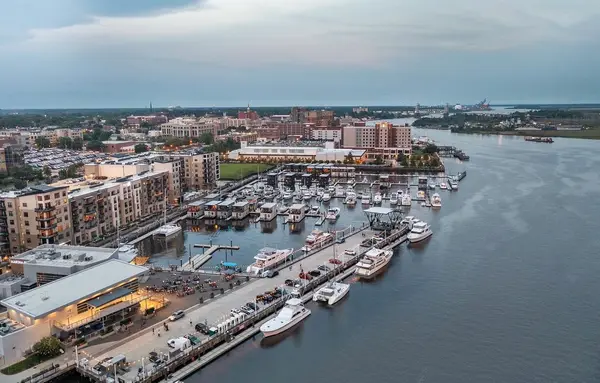
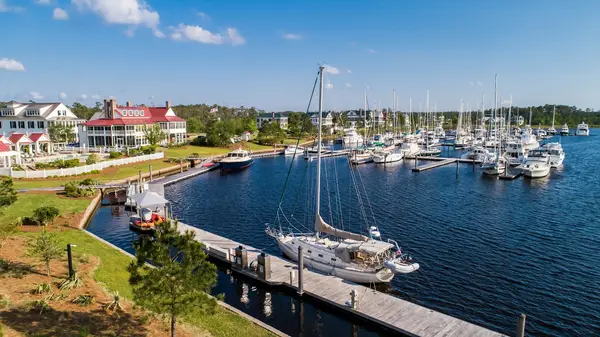
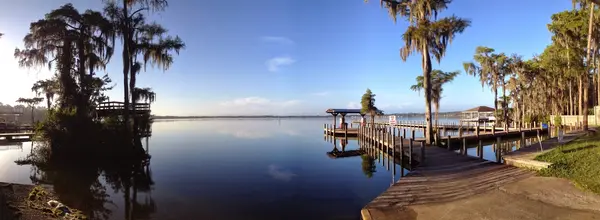
Cruise 14 marinas across North Carolina. Maps, hours, contact info, photos, and verified operator profiles, all in one place.
Outer Banks, the Smokies, and the longest segment of the Blue Ridge.
Updated
Highest rated
Marinas in North Carolina by Google rating
Ranked by Google rating, then by number of reviews, across the 13 of 14 marinas in North Carolina with 10 or more Google reviews. A blank cell means we do not have that detail yet.
| Marina | City | Activities | Rating |
|---|---|---|---|
| Lake Norman Marina | Sherrills Ford | 4.9657 Google reviews | |
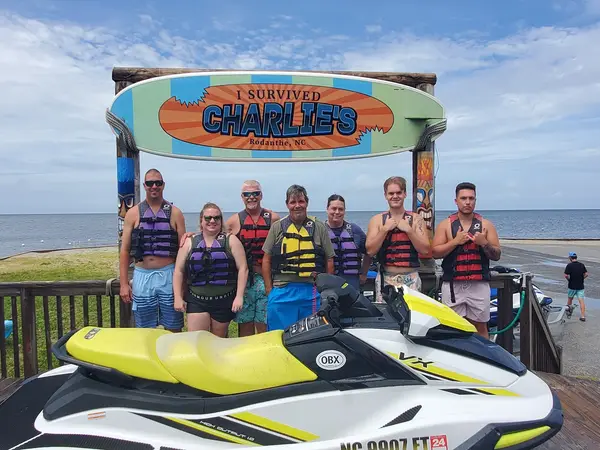
| Charlies Trivillage Watersports | Rodanthe | 4.9645 Google reviews | |
| Outer Banks Adventures & Watersports | Nags Head | 4.9580 Google reviews | |
| Dowry Creek Marina | Belhaven | 4.9247 Google reviews | |
| Belhaven Marina | Belhaven | 4.8296 Google reviews | |
| River Dunes Harbor Club & Marina | Oriental | 4.8192 Google reviews | |
| Pirate's Cove Marina | Manteo | Fishing | 4.7470 Google reviews |
| Carolina Marina @ Belews Lake | Stokesdale | 4.7449 Google reviews |
All listings
14 marinas in North Carolina
Also on the water
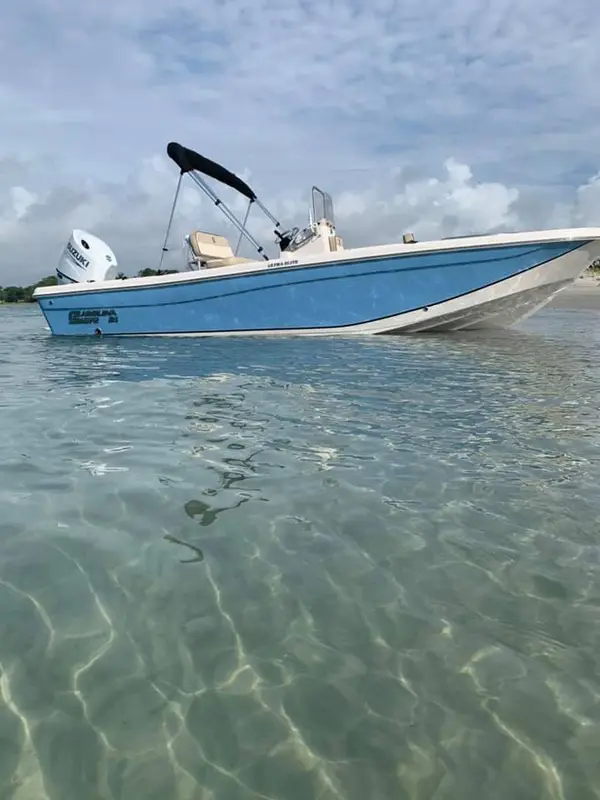
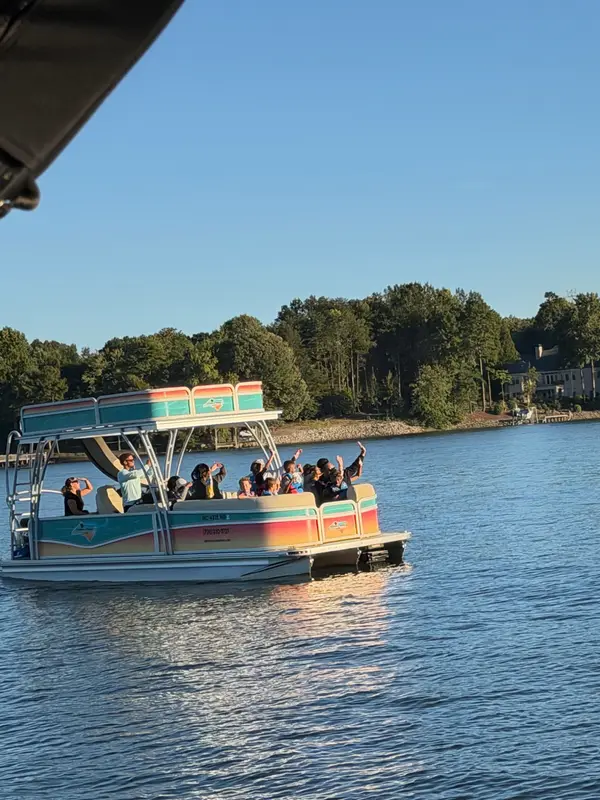
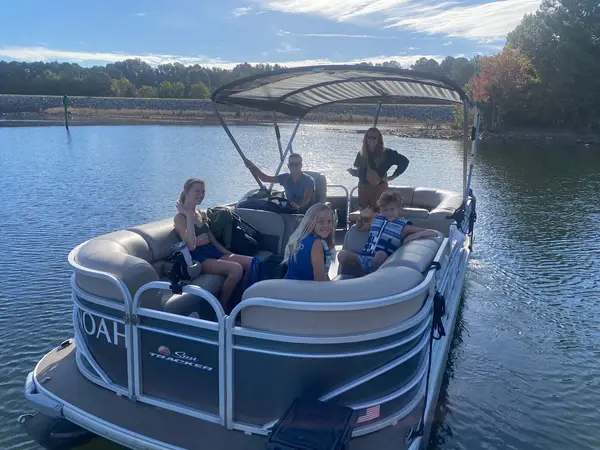
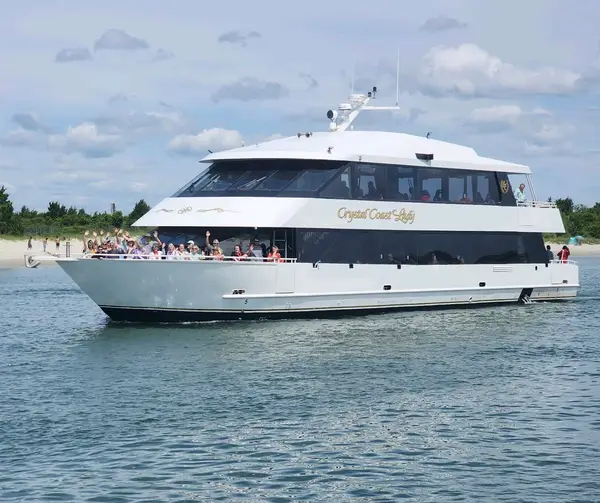
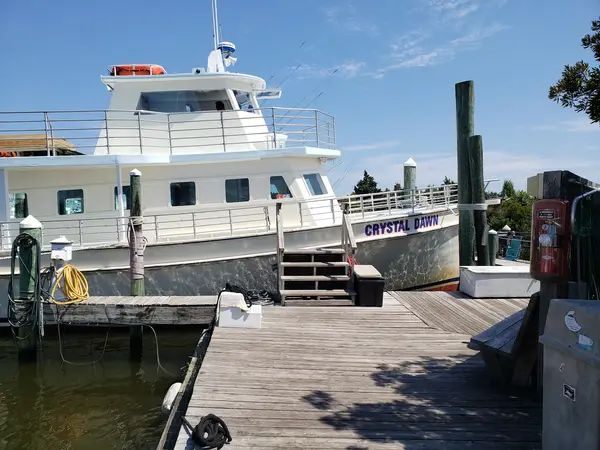
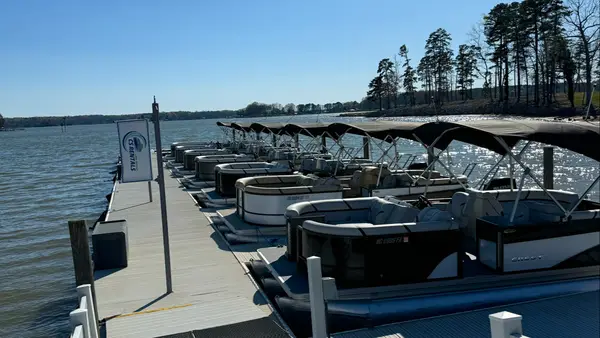
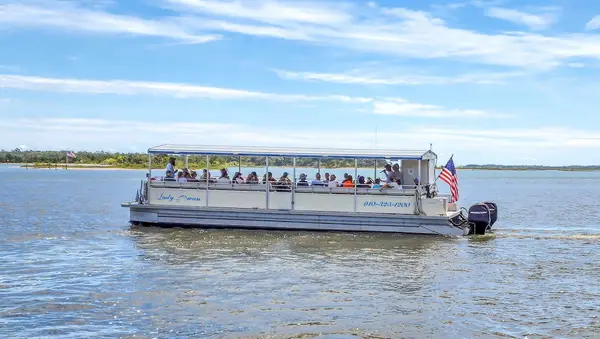
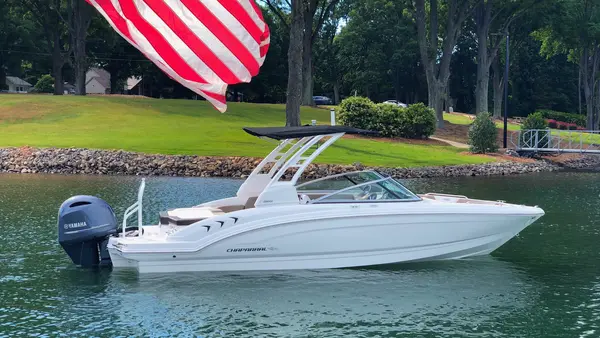
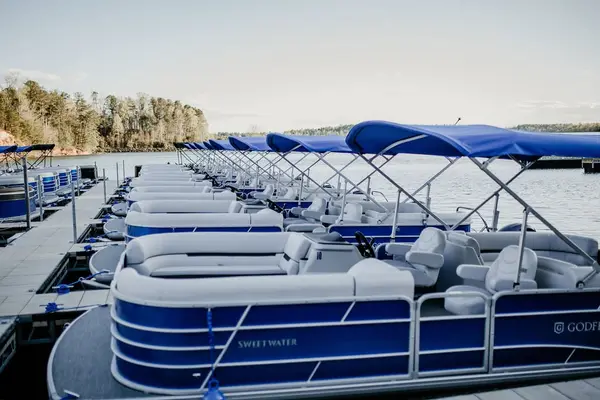
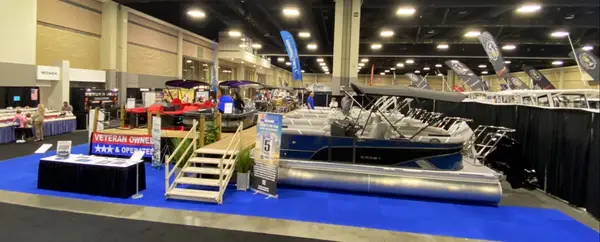
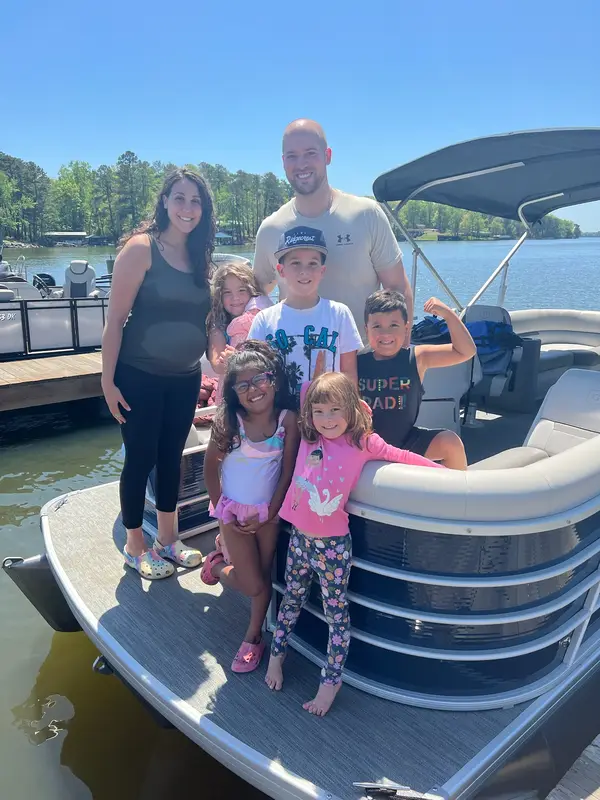
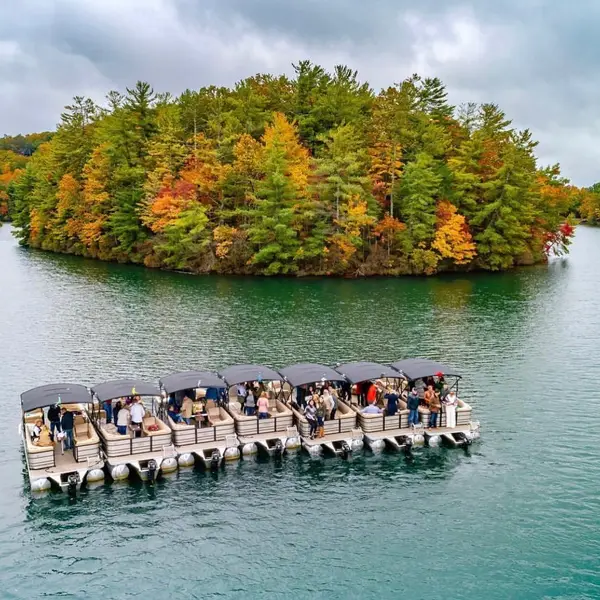
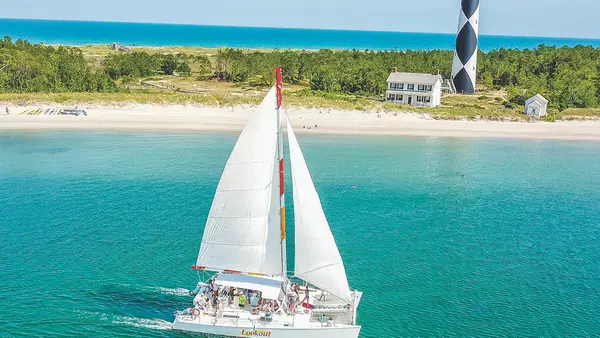
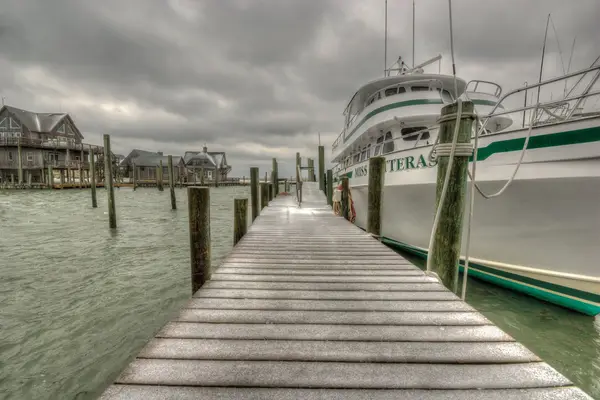
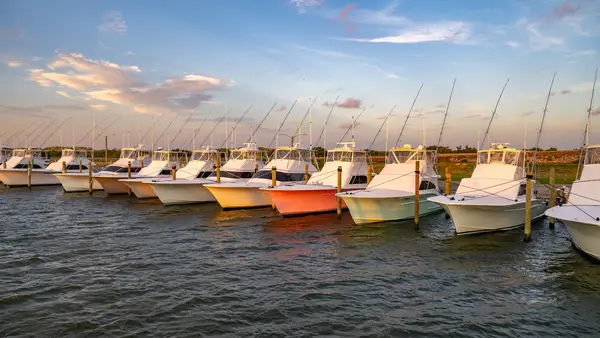
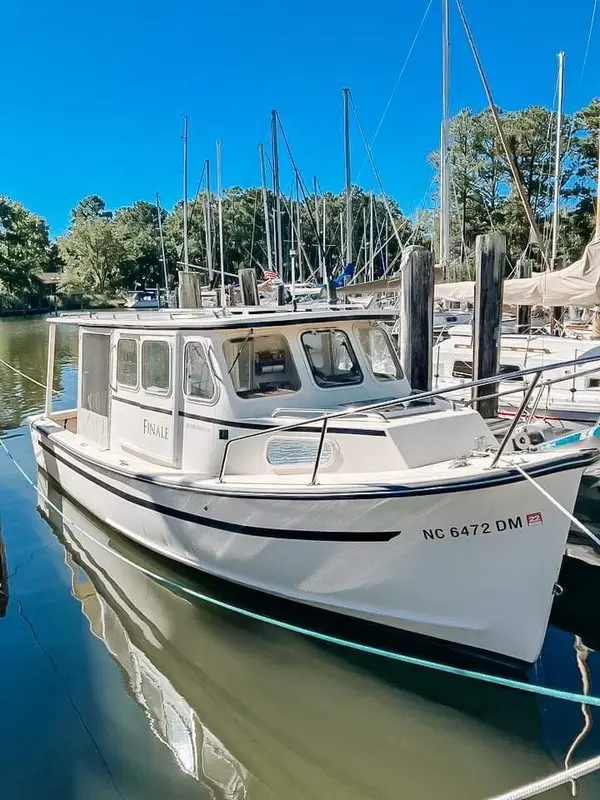
Boat rentals, tours and charters in North Carolina

Top camping
Most-booked campgrounds in North Carolina
Federal campgrounds in North Carolina that Recreation.gov lists for boating, ranked by how many times they were booked in fiscal 2025.
 1
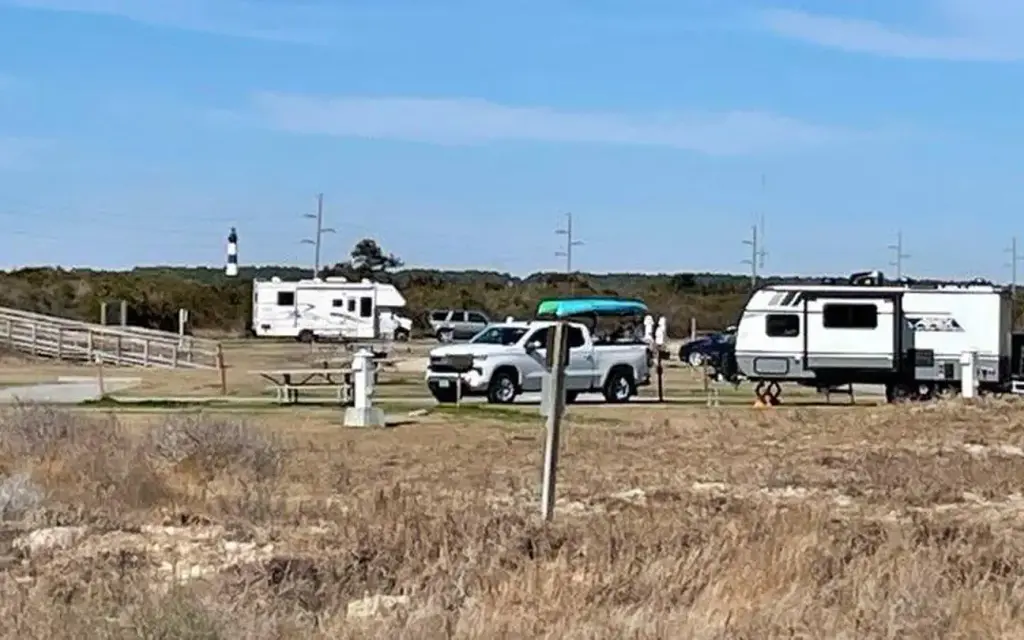
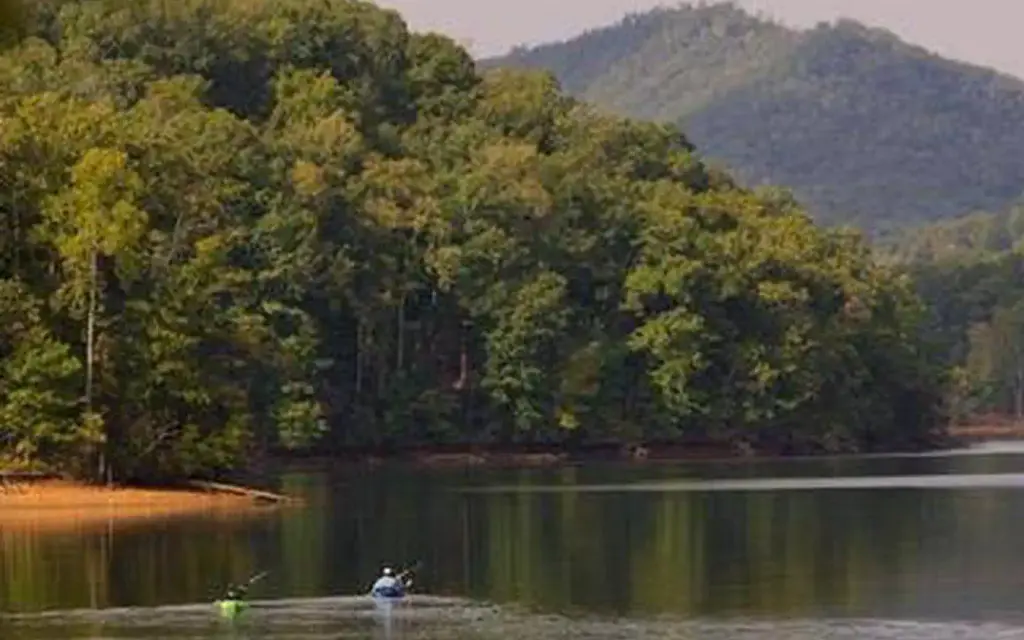
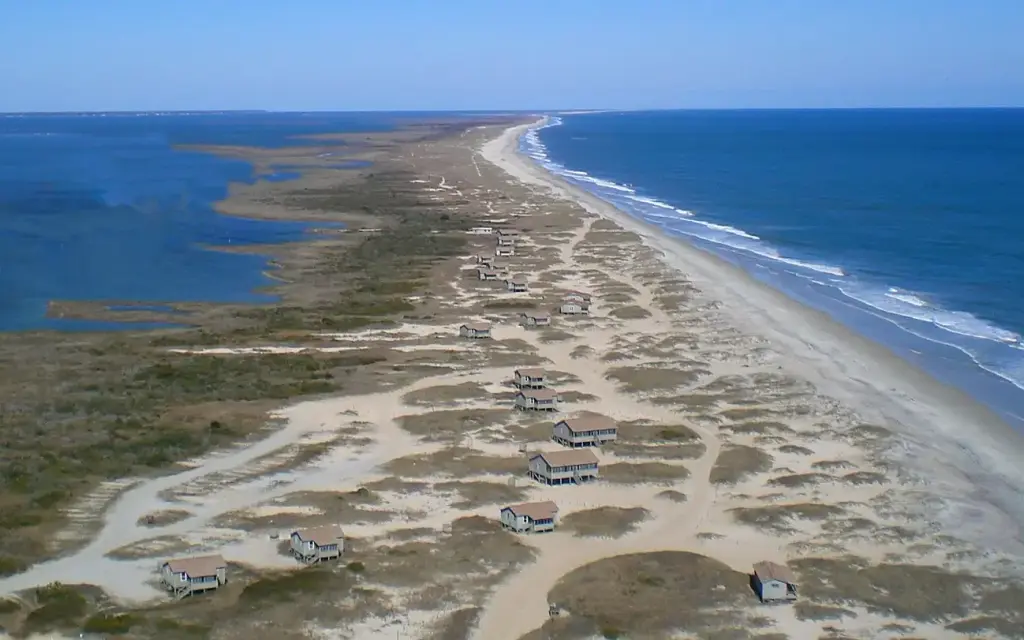
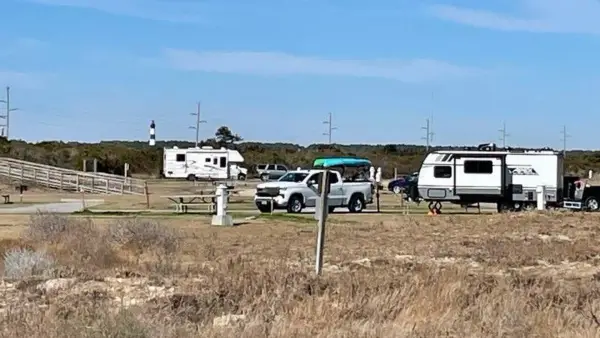
Oregon Inlet Campground
12,948 bookings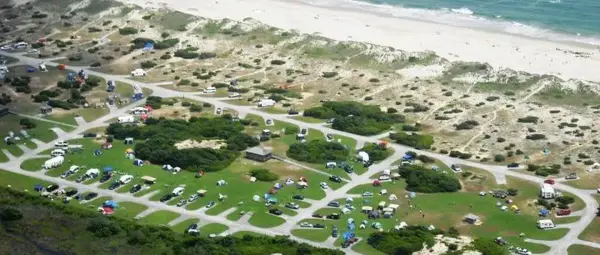 2
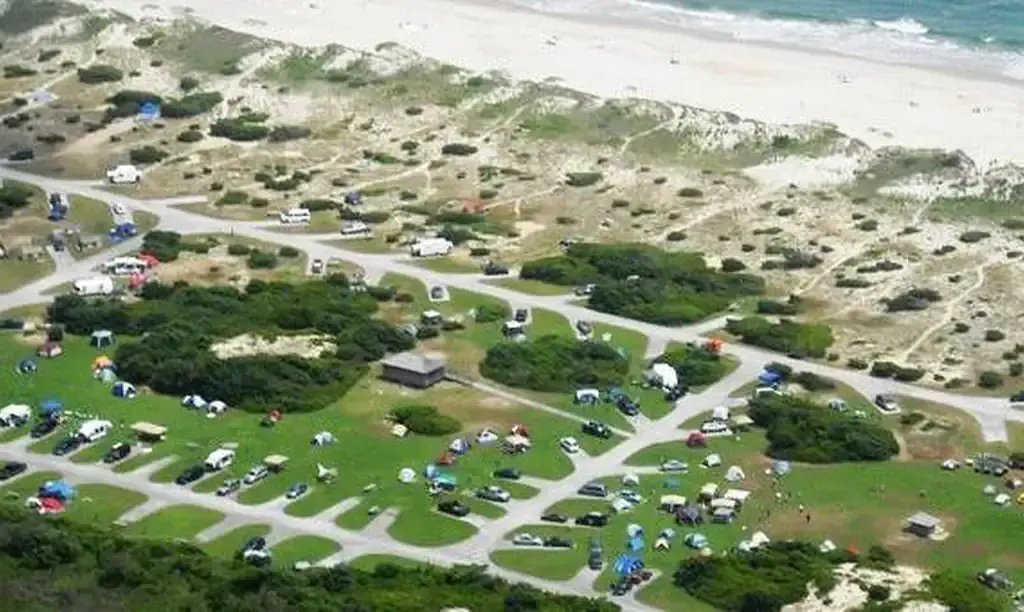
Ocracoke Campground
8,202 bookings3
Bandits Roost
5,129 bookings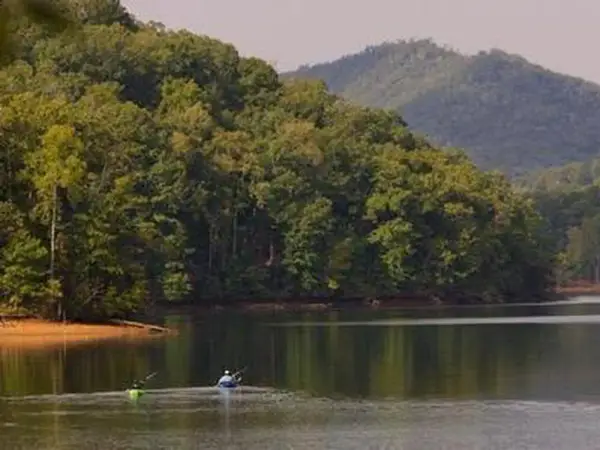 4
Jackrabbit Mountain
3,615 bookings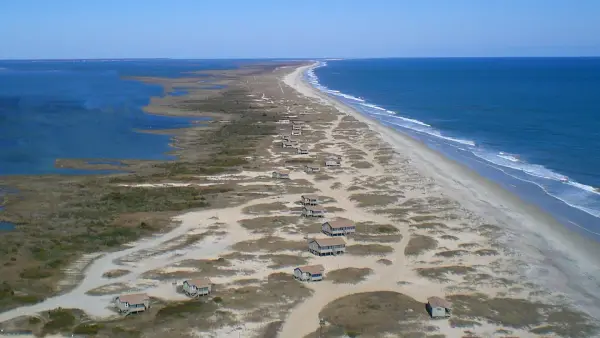 5
Great Island Cabin Camp
2,664 bookings
Bookings: Recreation.gov, fiscal 2025 (Oct 2024 to Sep 2025).
On the map
Marinas, boat launches, rivers & creeks and camping in North Carolina
Everything we have mapped in North Carolina, on one map. Tap anything for its details.
Loads the full map of North Carolina. We leave it off by default so the page opens fast on mobile data.
Tap a launch to pinpoint it on the map, then open it for ramp type, fees, and the nearest marina.
Tap a river to trace its course on the map, then open it for flow, access, and gauge data.
About North Carolina
When to cruise in North Carolina
Peak Mar–May, Nov
Quick facts
- Boat launches mapped
- 363
- Rivers mapped
- 1,386
- Marinas listed
- 14
- Best season
- April through November
Trip guide
Know before you go in North Carolina
Confirm current requirements with the agency that sets them before your trip. Rules and fees change every season.
Boater Education Card
North Carolina requires anyone born on or after January 1, 1988, to complete an approved boater education course to operate a vessel with a motor of 10 horsepower or greater.
Vessel Registration
All motorized vessels, and sailboats longer than 14 feet at the load waterline, must be registered with the North Carolina Wildlife Resources Commission. Registration decals must be displayed on the bow.
Fishing License
A valid North Carolina fishing license is required for anyone 16 years or older to fish in the state's public waters, both inland and coastal. Different licenses apply for freshwater and saltwater.
Age to Operate
A person less than 14 years of age may not operate a personal watercraft (PWC). To operate a vessel with a motor of 10 hp or greater, anyone born on or after January 1, 1988 must have completed an approved boating safety course, or operate under the onboard supervision of someone at least 18 who has.
01Do I need a special license to operate a boat in North Carolina?
02Are there many transient slips available in North Carolina marinas?
03What types of boats can I charter in North Carolina?
04What are the primary boating hazards in North Carolina?
05Can I bring my pet on my boat to North Carolina marinas?
06What is the best way to navigate the Intracoastal Waterway (ICW) in North Carolina?
Free tools
Your free outdoor toolkit
Keep exploring