Marinas · Wisconsin
Marinas in Wisconsin
Cruise 13 marinas across Wisconsin. Maps, hours, contact info, photos, and verified operator profiles, all in one place.
Apostle Islands, the Driftless, and 15,000 lakes.
About Wisconsin
Best time to go
When to cruise in Wisconsin
May through October.
- June–September: the reliable warm-water season
- Spring water is dangerously cold, so wear a life jacket
- Big lakes build steep waves fast, so watch the wind
13 on the map
Tap a pin to open its profile.
Quick facts
- Boat launches mapped
- 448
- Rivers mapped
- 127
- Marinas listed
- 13
- Best season
- May through October
All listings
13 marinas
across Wisconsin
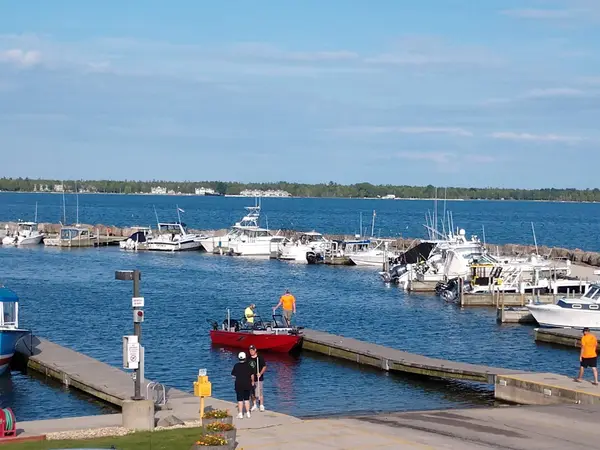
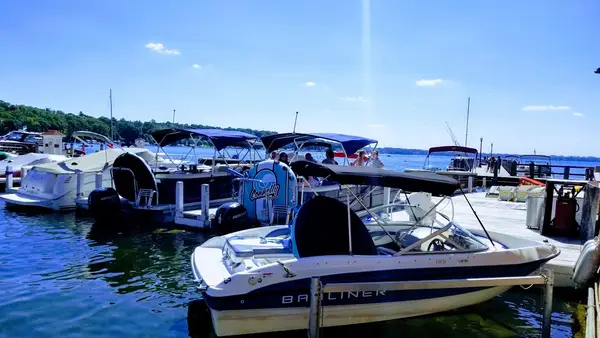

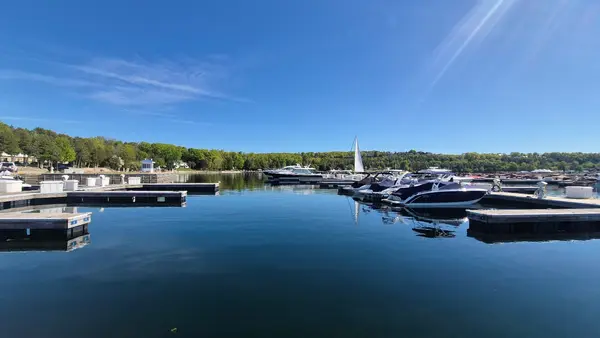
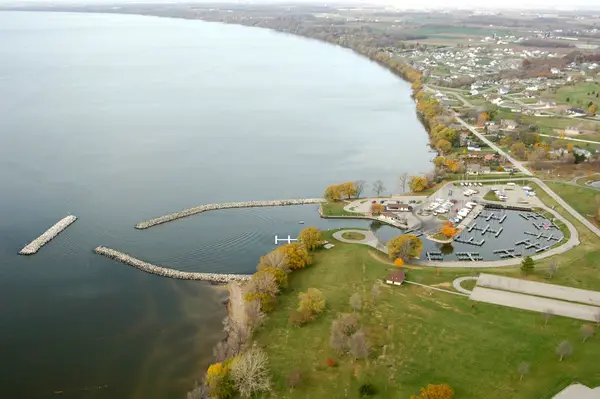
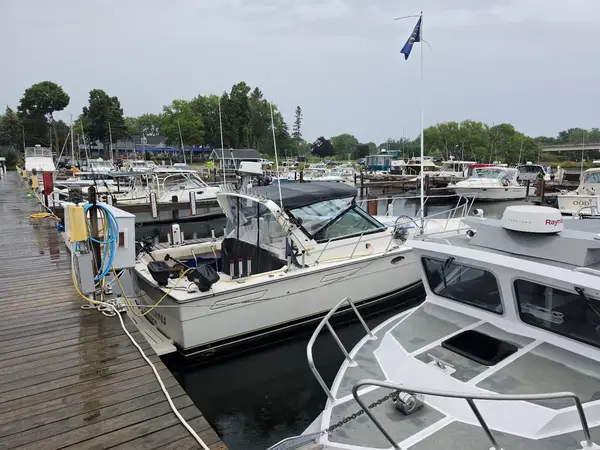
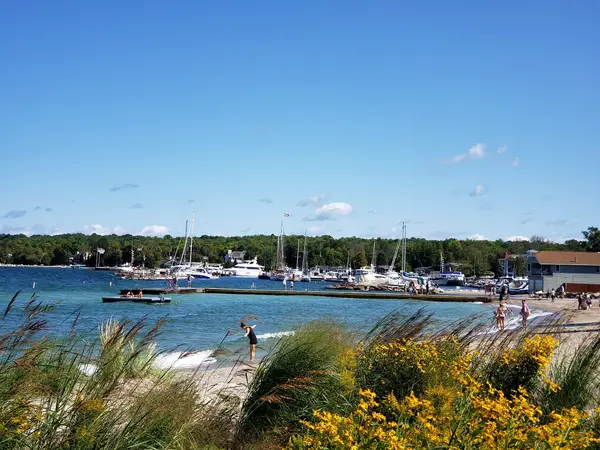
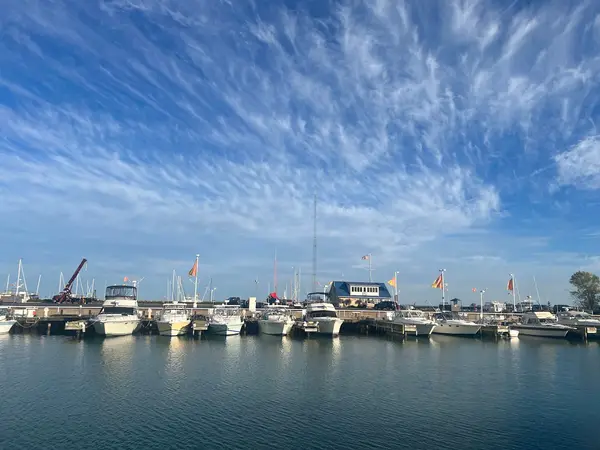
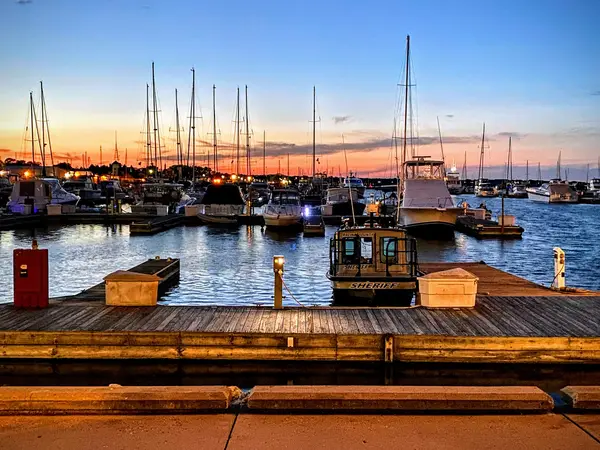

Watch it live
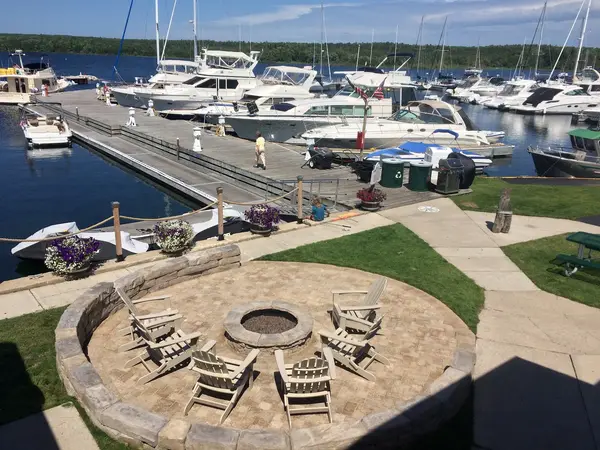
Live webcams in Wisconsin
 Location
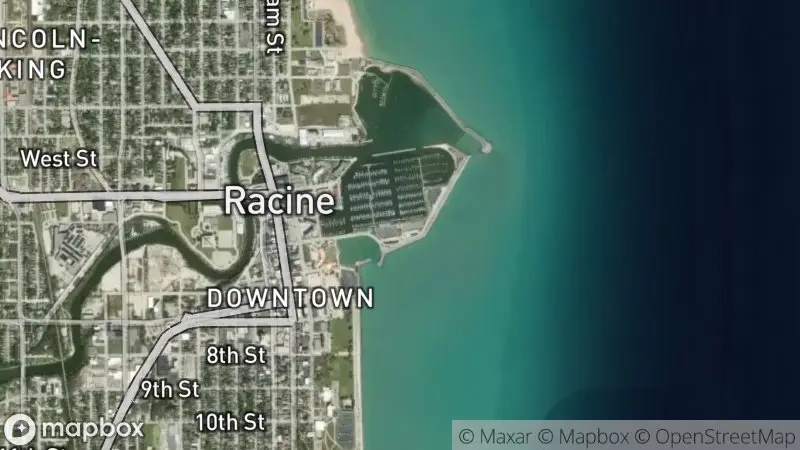
Reefpoint Marina
via Reefpoint Marina
Watch livePlan your trip
Plan your trip to Wisconsin
Signature Waters & Navigation
Wisconsin's primary boating waters include Lake Michigan, Lake Superior, and the Mississippi River, each with distinct navigational challenges. Inland lakes like Winnebago and Geneva offer calmer conditions. Always carry appropriate charts and be aware of varying depths and commercial traffic, especially on the Great Lakes and Mississippi.
Boating Season
The main recreational boating season typically runs from May through October. While some hardy boaters extend into late April and early November, most marinas and services operate on a seasonal schedule, with full services available from Memorial Day to Labor Day.
Slip and Transient Dockage
Marinas across the state offer both seasonal slips and transient dockage. High-demand areas like Door County, the Apostle Islands, and urban centers along Lake Michigan often require advance reservations, particularly during summer weekends and holidays.
Fuel and Pump-out Access
Most full-service marinas provide gasoline and diesel fuel, along with pump-out stations for waste. It is advisable to confirm availability with individual marinas, especially in more remote areas or during shoulder seasons, as services may be limited.
Weather and Wind Considerations
Great Lakes weather can change rapidly, bringing strong winds and significant waves. Inland lakes are generally calmer but still susceptible to thunderstorms. Always monitor marine weather forecasts and be prepared for sudden shifts in conditions.
Vessel Safety Equipment
Ensure your vessel is equipped with all required safety gear, including life jackets for all occupants, throwable flotation devices, sound-producing devices, and navigation lights. Wisconsin follows federal regulations for recreational vessel safety equipment.
Confirm current requirements with the state agency before your trip. Rules and fees change every season.
Boater Education Requirement
Anyone born on or after January 1, 1989, must complete a boating safety course to operate a motorboat on Wisconsin waters. The same birth-year cutoff applies to personal watercraft (PWC); on top of it, no one under 12 may operate a PWC, and operators aged 12 to 15 must hold the certificate.
Vessel Registration
All motorboats, sailboats more than 12 feet in length, and personal watercraft (PWC) must be registered with the Wisconsin Department of Natural Resources (DNR). Registration must be renewed every three years.
Wisconsin DNRFishing License
If planning to fish from your recreational boat, a valid Wisconsin fishing license is required for anyone 16 years of age or older. Separate licenses may be needed for Great Lakes fishing or for certain species.
Personal Flotation Devices (PFDs)
All vessels must carry at least one U.S. Coast Guard-approved wearable PFD for each person on board. Children under 13 must wear a PFD when on a recreational boat that is underway, unless they are inside an enclosed cabin.
- 01
Step 1: Choose Your Waters
Big lake, small lake, or river, pick one, because each demands its own preparation. Michigan and Superior are open-water boating; the inland chains are casual; the Mississippi runs on locks and river sense.
- 02
Step 2: Verify Boater Education & Registration
Born on or after January 1, 1989? You need the safety course before you take the helm. Either way, make sure the boat's Wisconsin DNR registration is squared away before it hits the water.
- 03
Step 3: Plan Your Route & Marinas
Scout marinas along your route for transient dockage, fuel, and pump-out service. In Door County or the Apostles at peak season, a reservation is the difference between a slip and an anchor watch.
- 04
Step 4: Check Weather & Water Conditions
Marine forecasts first, always, the Great Lakes can rearrange a calm afternoon in under an hour. Know the conditions for your specific water and have a plan for when the wind builds.
- 05
Step 5: Equip for Safety & Provisions
PFDs for every person aboard, plus the rest of the required gear, checked before departure. Then provision for the actual trip: water, food, and whatever the fishing, swimming, or exploring calls for.
01How many marinas are listed in Wisconsin?
02Do I need a special license to operate a boat in Wisconsin?
03Are there age restrictions for operating a boat or PWC?
04What is the best time of year to go boating in Wisconsin?
05Can I find transient slips easily in popular areas like Door County?
06Are pump-out facilities readily available at marinas?
07What types of charters are available in Wisconsin?
Free tools
Your free outdoor toolkit
Everything Map
Listings, trails, spots, clubs and public land on a single full-screen map. Switch layers on and off, then tap any point for the details.
Open Everything MapRiver Explorer
Explore named rivers from the USGS hydrography dataset. Filter by water type or whitewater class.
Open River ExplorerBoat Launches
Find public boat ramps and hand-launches on a map, with the access details that matter.
Open Boat LaunchesRoute Planner
Drop stops on a map and watch distance and drive time add up. Export a GPX or share the link.
Open Route PlannerBoat Clubs
Browse local clubs with meeting info and how to join, or start your own for free.
Open Boat ClubsPhoto ID
Point your camera at whatever you found and get a structured identification. No signup.
Open Photo ID
Keep exploring