Marinas · Oregon
Marinas in Oregon
Cruise 10 marinas across Oregon. Maps, hours, contact info, photos, and verified operator profiles, all in one place.
Cascades, the high desert, and the most varied coastline in the lower 48.
Updated
About Oregon
Best time to go
When to cruise in Oregon
June through October.
- July–September: the dry-season cruising window
- Cold water year-round, so always carry proper safety gear
- Plan around strong tidal currents in the passages
10 on the map
Tap a pin to open its profile.
Quick facts
- Boat launches mapped
- 225
- Rivers mapped
- 122
- Marinas listed
- 10
- Best season
- June through October
At a glance
Marinas in Oregon at a glance
All 10 marinas listed in Oregon. Ratings and review counts are from Google. A blank cell means we do not have that detail yet.
| Marina | City | Rating |
|---|---|---|
| Charleston Marina | Charleston | 4.5511 Google reviews |
| Embarcadero Marina | Newport | 4.4122 Google reviews |
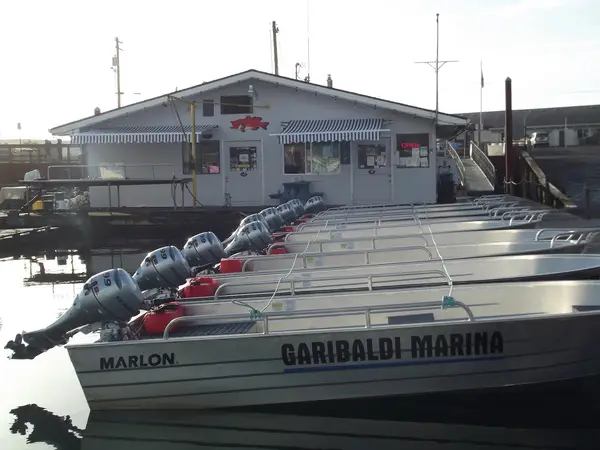
| Garibaldi Marina | Garibaldi | 4.6684 Google reviews |
| Hayden Bay Marina | Portland | 4.479 Google reviews |
| Newport Marina Boat Ramp | Newport | 4.635 Google reviews |
| Port of Newport | Newport | |
| Port of Newport Hoist Dock | Newport | 4.471 Google reviews |
| Riverplace Marina | Portland | 4.6118 Google reviews |
| Salmon Harbor Marina | Winchester Bay | 4.396 Google reviews |
| St. Helens Marina | St Helens | 4.4307 Google reviews |
All listings
10 marinas
across Oregon
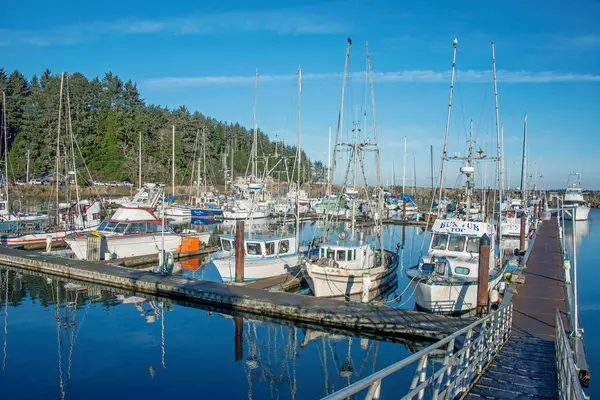

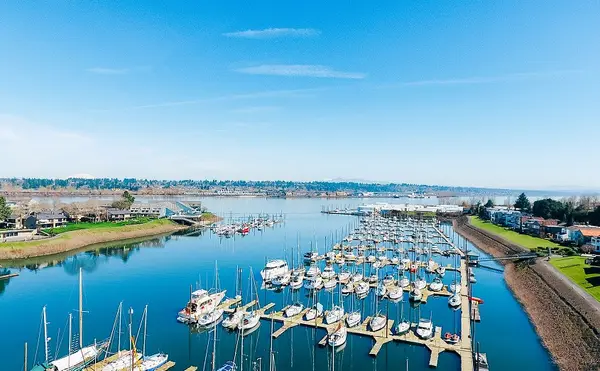


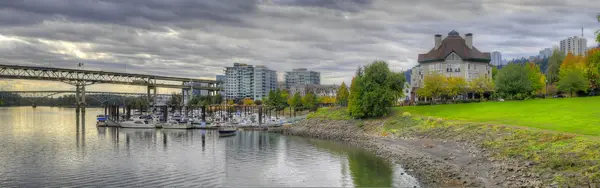
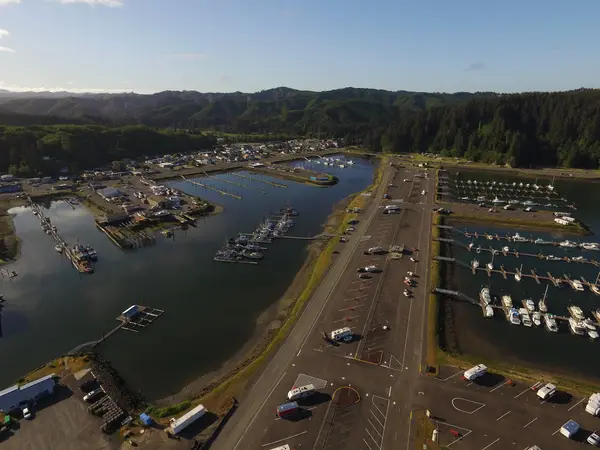
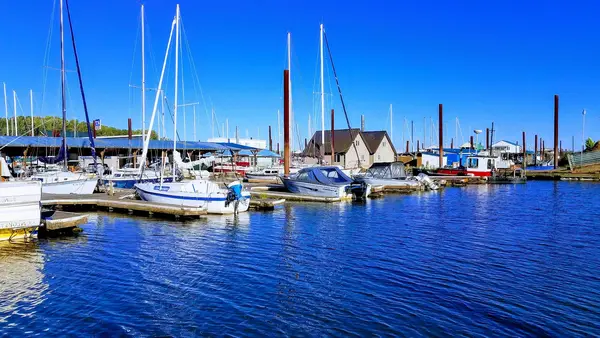
Watch it live
Live webcams in Oregon
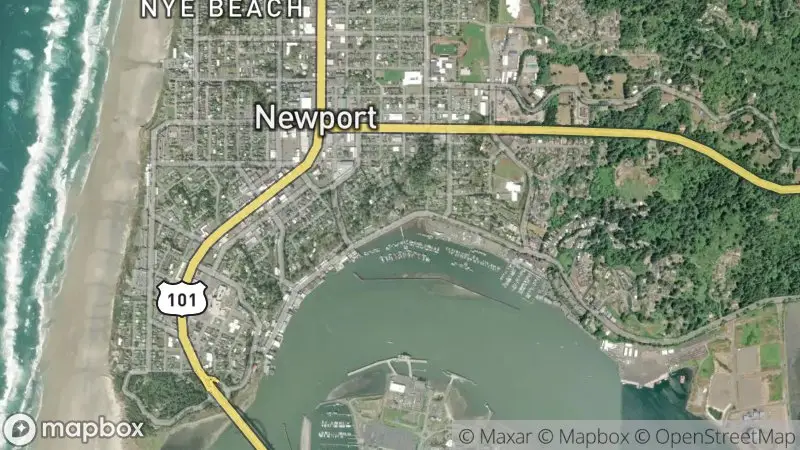 Location
Newport Bayfront & Yaquina Bay
via Discover Newport
Watch livePlan your trip
Plan your trip to Oregon
Coastal and Bar Crossing Considerations
Boating on Oregon's Pacific Coast and navigating its river bar entrances requires vigilance. Conditions can change rapidly, with strong currents, swells, and fog being common. Always check marine forecasts and bar conditions with the U.S. Coast Guard before attempting any coastal or bar crossing.
River Navigation and Commercial Traffic
The Columbia and Willamette Rivers are active waterways with commercial shipping traffic. Recreational boaters must be aware of navigation rules, maintain safe distances from larger vessels, and understand lock operations if traversing sections with dams.
Boating Season and Dockage Availability
The primary boating season runs from late spring through early fall. During peak summer months, transient slips and charter availability at popular marinas can be limited. It is advisable to book moorage and charter services well in advance.
Fuel and Pump-Out Access
Major marinas along the Columbia and Willamette Rivers, as well as on larger coastal bays and lakes, typically offer fuel and pump-out facilities. However, access can be more limited in remote lake areas or smaller river towns, so plan your fuel and waste management accordingly.
Weather and Wind Variability
Oregon's weather can be highly variable, especially along the coast and in mountainous lake regions. Strong winds can develop quickly, creating challenging conditions. Always monitor weather forecasts and be prepared for sudden changes, including rain and temperature drops.
Confirm current requirements with the state agency before your trip. Rules and fees change every season.
Boater Education Card
Oregon requires all operators of motorboats greater than 10 horsepower to carry a Boater Education Card, regardless of age, there is no birth-year cutoff. This card signifies completion of an approved boating safety course. Operators under 16 years of age have additional restrictions.
Vessel Registration
Most motorized vessels, including sailboats 12 feet or longer, operating on Oregon waters must be registered with the Oregon State Marine Board. Registration decals must be displayed prominently. Non-motorized vessels like canoes, kayaks, and stand-up paddleboards are exempt from registration, but as of 2026 nearly all must carry a Waterway Access Permit, the former Aquatic Invasive Species permit for paddlecraft, regardless of length. Confirm current rules with the Oregon State Marine Board.
Aquatic Invasive Species (AIS) Permit
As of 2026, nearly all non-motorized boats (kayaks, canoes, rafts, SUPs) must carry a Waterway Access Permit regardless of length, this replaced the old 10-foot cutoff. Oregon-registered motorboats do not buy a separate permit; part of their registration fee funds the program. Out-of-state motorboats and sailboats 12 feet or longer must carry an Aquatic Invasive Species Prevention Permit. This permit helps fund efforts to prevent the spread of invasive species. The permit must be carried on board the vessel.
Marine Sanitation Devices
Vessels with installed toilets must have a certified Marine Sanitation Device (MSD) on board. Discharge of untreated sewage into Oregon's navigable waters is prohibited. Many marinas offer pump-out facilities, and boaters should utilize these to comply with regulations and protect water quality.
- 01
1. Choose Your Waterway
Coast, river, or lake, the three are genuinely different trips in Oregon, with different demands on boat and skipper. Match the water to your experience and the kind of day you actually want.
- 02
2. Research Marinas and Charters
With a region picked, dig into marinas for transient moorage, or charter companies if you're renting or going guided. Summer books out; reserve early rather than trusting your luck at the dock.
- 03
3. Verify Licenses and Permits
Check that boater education cards, vessel registration, and the Aquatic Invasive Species permit are all current and aboard. Fishing? Get the Oregon license sorted before the trip, not at the ramp.
- 04
4. Check Conditions and Forecasts
Every outing starts with the marine forecast, river levels, and, on the coast, bar condition advisories. Oregon weather turns fast, and the difference between a good day and a bad one is often an hour.
- 05
5. Familiarize Yourself with Local Rules
Learn the rules for your specific water: speed limits, no-wake zones, and where the commercial traffic runs. Know the local hazards, and keep required safety gear aboard and where you can reach it.
01How many marinas are listed in Oregon?
02What is the best time of year for recreational boating in Oregon?
03Do I need a special license to operate a boat in Oregon?
04Are bareboat charters available in Oregon?
05What amenities can I expect at Oregon marinas?
06Can I launch my own boat at public ramps in Oregon?
07What are the primary hazards for boaters on the Oregon Coast?
Free tools
Your free outdoor toolkit

Everything Map
Listings, trails, spots, clubs and public land on a single full-screen map. Switch layers on and off, then tap any point for the details.
Open Everything MapRiver Explorer
Explore named rivers from the USGS hydrography dataset. Filter by water type or whitewater class.
Open River ExplorerBoat Launches
Find public boat ramps and hand-launches on a map, with the access details that matter.
Open Boat LaunchesDaily Cruise
Every day picks a real place from the map and turns it into a quick 3D time trial. Real geometry, real conditions, same course for everyone.
Open Daily CruiseRoute Planner
Drop stops on a map and watch distance and drive time add up. Export a GPX or share the link.
Open Route PlannerBoat Clubs
Browse local clubs with meeting info and how to join, or start your own for free.
Open Boat Clubs

Keep exploring