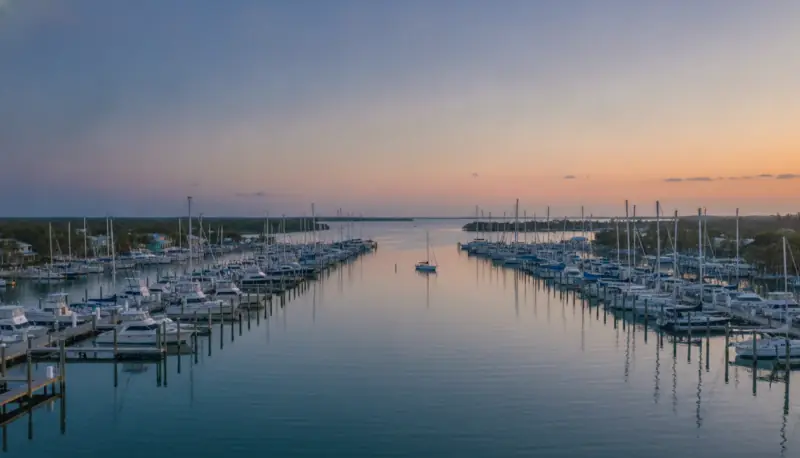
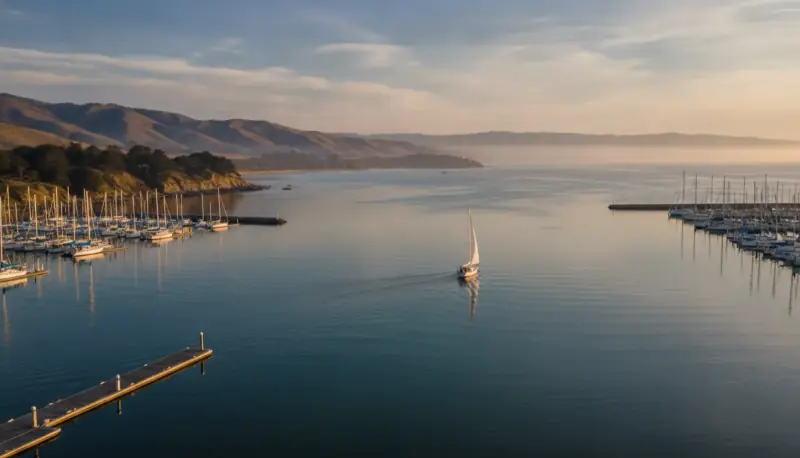
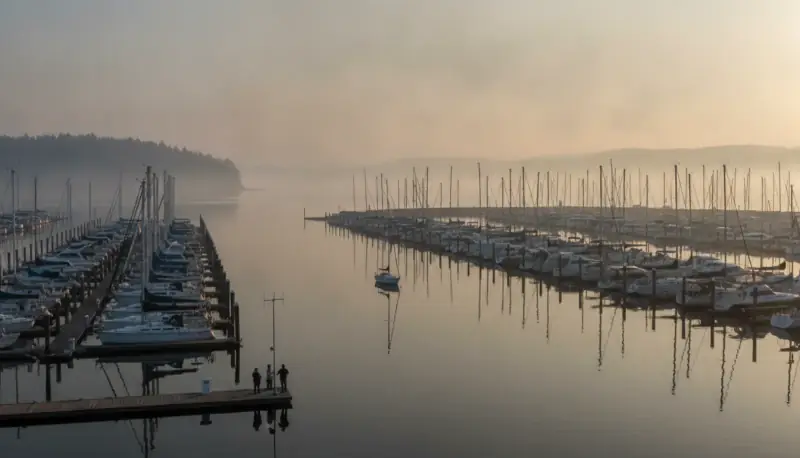
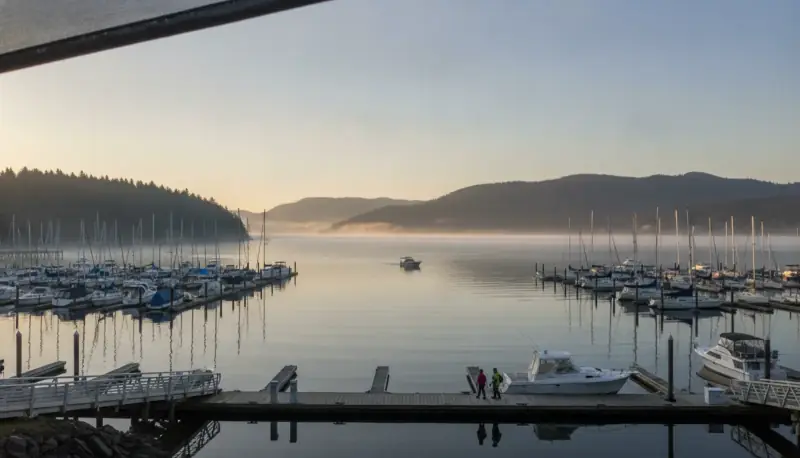
The Chesapeake Bay is the East Coast's defining cruising destination. From the Susquehanna flats down to Norfolk, roughly 200 miles of protected water hold the Bay's best anchorages, historic towns, and forgiving conditions for learning sailors. Thousands of operators navigate the Bay's seasonal rhythm, not to find the "perfect" month, but to match their cruiser profile to the right conditions. Spring offers variable wind and warming water. Summer brings textbook sea-breeze and crowds. Fall delivers sharp wind and open anchorages. Winter quiets everything. Understanding these patterns is how operators book efficiently, manage crew expectations, and schedule maintenance when demand is lowest.
Spring Sailing: April and May
Spring hits the Chesapeake unevenly. April is a shoulder month: charter operators open seasonal fleets, water temperatures climb from the low 50s toward 60°F, and daysail instructors start taking bookings. Expect variable wind and occasional stalled frontal systems that can pin you to an anchorage for a day or two. Air temperatures swing 20 degrees in a week. Cruisers dress in layers and keep heating ready for night comfort. The Bermuda High begins moving north, pushing southerly flow, but the wind pattern shifts daily as systems march through.
By late May, the pattern locks in. A south-to-southwesterly sea-breeze dominates, light mornings building to 8–12 knots by afternoon, then fading at sunset. Water reaches the low 60s. Anchorages fill predictably: Friday marinas book solid, but weekday mooring fields have room. This is the beginner-friendly season. Daysail schools lean into May bookings because the wind is consistent enough to teach without frustration, and water is cold enough that rescue is taken seriously. Bareboat operators running introductory cruises and corporate team-building events prefer spring because conditions are repeatable and students aren't overwhelmed. Crews can focus on fundamentals instead of managing uncomfortable heat or wrestling stronger afternoon wind.
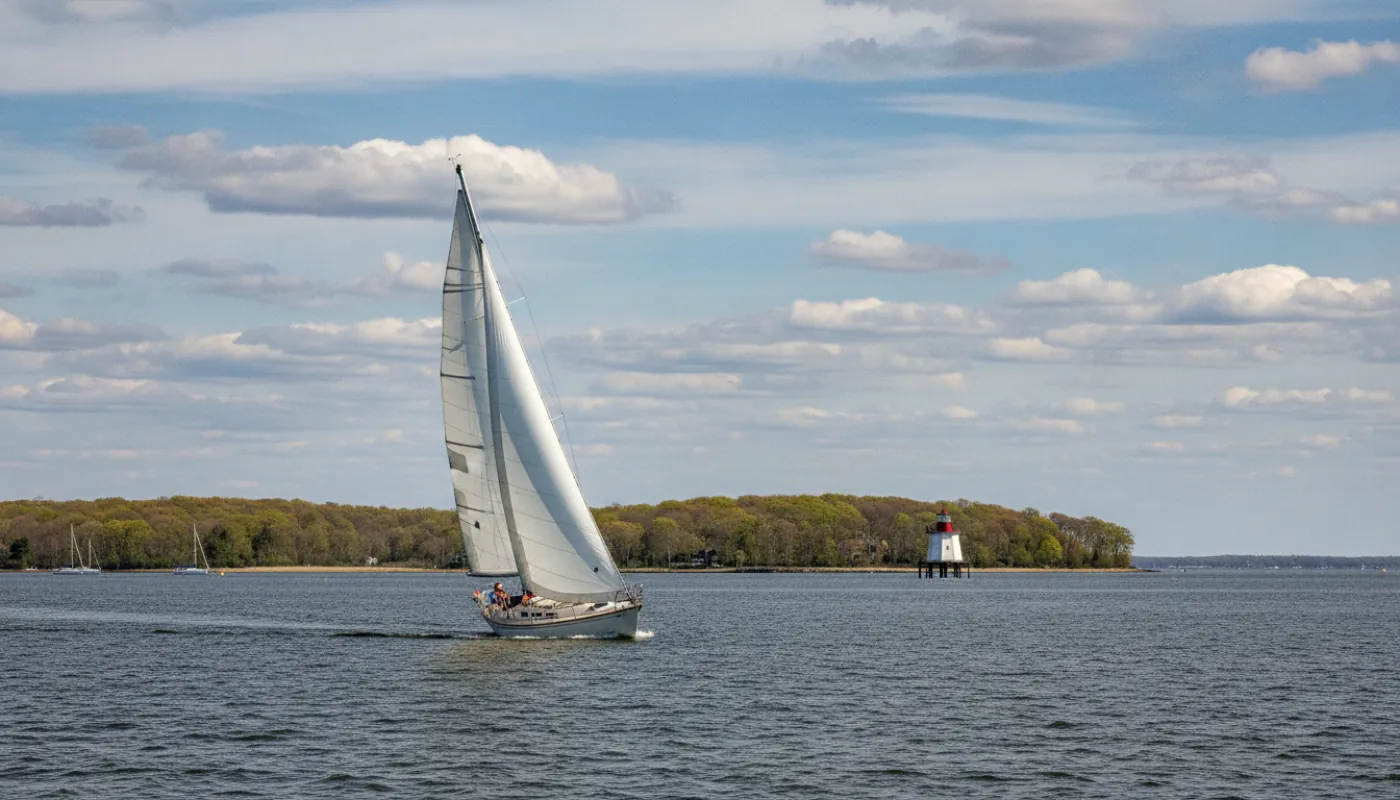
The downside is unpredictability. Frontal systems stall and bring multiple days of gray, choppy conditions. Spring charter clients often show up expecting summer sunshine and find 55°F mornings instead. Water temperature means wet suits or immersion gear for anything beyond daysailing. For operators, spring is about managing expectations and running steady-state bookings rather than peak capacity.
Summer: June Through August
Summer is peak season, and the Bay announces it loudly. Bermuda High locks in, pushing a consistent, predictable southerly sea-breeze, clocking to the southwest through the afternoon, into the Bay every day. Most days hit 10–15 knots by mid-afternoon, with glassy mornings and wind shadows in protected anchorages. Water climbs to 75–80°F by July. Anchorages that seemed spacious in May are wall-to-wall by midsummer: rafting is standard on popular grounds like the Rhode River, Solomons, and the Annapolis waterfront. Arriving late in the afternoon means finding a secondary anchorage or motoring further upriver to find space.
Heat and humidity are relentless. Days that start at 75°F hit 90°F by afternoon, and overnight lows barely dip below 75°F in the upper Bay. Thunderstorm season is real: pop-up convection over land spins up by mid-afternoon with 20–30 knot wind spikes, heavy rain, and occasional lightning that sends anchored boats scrambling. Summer concentrates everything: charter fleets run multiple trips daily, water-ski operations proliferate, and weekend traffic is heavy. Marinas fill weeks in advance.
Summer works for families seeking calm anchorages with resort amenities and pool access. It's wrong for cruisers seeking solitude or clean wind. Charter operators run at peak capacity but with a higher percentage of first-time sailors who need hand-holding through navigation, mooring technique, and safety basics. Operating costs climb (air conditioning, fuel consumption, water usage), and maintenance windows vanish because every boat is booked solid. Many operators deliberately take August dark weeks or run deep-discount promotions to manage crew burnout and keep equipment from breaking mid-charter.
Fall: September Through November
Fall is the Chesapeake at its best, and every operator knows it. By Labor Day, school schedules quiet vacation-home charters and family fleets. September clears hard after that week. Wind patterns stay consistent, Bermuda High maintains south-to-southwest flow, but the afternoon sea-breeze is sharper because air temperatures cool faster than water. You sail in the 60s with 12–18 knot afternoons and genuinely cold mornings. Sweater weather is back.
Anchorages open dramatically. Grounds that required early arrival all summer are half-full by October. Water stays in the 70s through September, dropping to the mid-50s by November, warm enough for swimming early but cold enough to keep afternoon families ashore. October and November draw serious cruisers and experienced charter clients. The wind fills a 40-footer without throttling up, and sunset conditions are textbook. Light and visibility are exceptional. Bareboat operators run promotions because seasonal fleets wind down and single-boat renters fill the gap. For a flotilla leader or school running extended cruises, fall is when you're managing experienced charterers in exceptional conditions on uncrowded grounds. Maintenance schedules can be planned. Crew morale is high. It's the season that justifies the business.
Winter: December Through March
Winter inverts the summer playbook. Cold water and cold air mean most recreational cruisers vanish, charter fleets go dark or run barebones for holidays only. Anchorages become private holdings and fishing grounds again. Water drops into the upper 30s, and cruising becomes a practiced activity, not a vacation mode. Winter wind is real, unpredictable, and demands respect.
The upside is dramatic: you can anchor anywhere because there's no crowd. Wind loses its predictable southeast rhythm and swings all quadrants, nor'easters and nor'westers build strong but brief, bringing powerful sailing conditions alternating with calm lulls. Proper cold-weather gear and a solid heater are non-negotiable: diesel stoves, electric heating blankets, and draft sealing matter as much as seamanship. Holidays bring a transient wave in December as property owners and snowbirds pause in the Bay on their way south. By January, the estuary is genuinely empty. For operators, winter is maintenance season: hauling, bottom work, systems refresh while demand is zero and crew can focus on refitting. Daysail schools close or run skeleton hours. But for cruisers running long-term or managing liveaboard programs, December–March is the operational window where anchorages are yours, wind is real, and the Bay rewards a confident hand. Winter cruising on the Chesapeake is peaceful and unforgiving in equal measure.